

A product logo can do more than identify a brand. Its texture, color, and finish can also influence how customers perceive the product itself.
This is one reason UV crystal label printing is attracting attention in personalized product decoration. Unlike ordinary flat stickers, UV DTF crystal labels can combine vivid graphics with a transparent, raised varnish layer. The result is a glossy, dimensional finish that gives logos and decorative patterns a more distinctive appearance.
For manufacturers, promotional product suppliers, gift businesses, and printing service providers, this technology offers another way to create customized labels without traditional screen-making or complex tooling for each design.
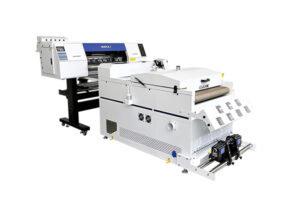
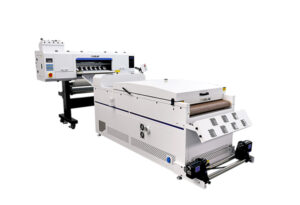
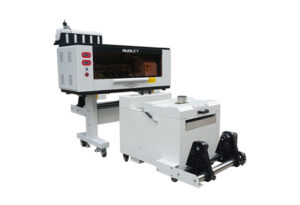
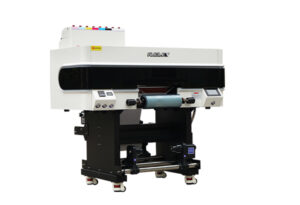
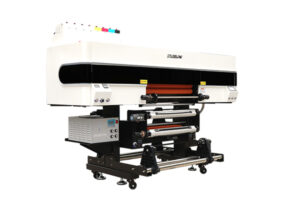
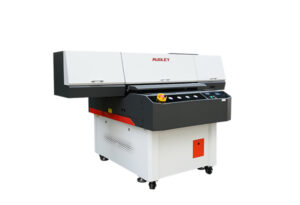
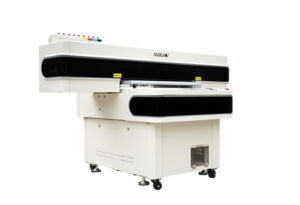
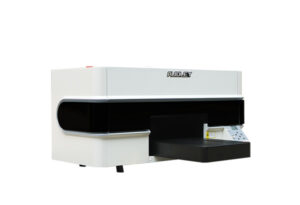
AUDLEY’s UV DTF printing solutions, including the 8074-3 model, provide a production option for businesses exploring this growing category of decorative printing.

1. What Makes UV Crystal Labels Different from Ordinary Stickers?
The most noticeable difference is the surface finish.
A conventional printed sticker usually presents a relatively flat image. A UV crystal label, by comparison, can combine a printed color layer with transparent UV varnish to create a raised, glossy surface.
Under suitable lighting, the varnish reflects light and adds visual depth. Fine outlines, colorful graphics, lettering, and decorative details become more noticeable because the surface has both color and texture.
The effect is particularly useful for logos and product labels. A simple brand mark can look more substantial when its edges are clean and its surface has a smooth, transparent gloss.
The final appearance depends on several factors, including the artwork, ink layout, varnish thickness, curing conditions, and printing resolution. A successful result requires the right combination of these elements rather than simply applying more varnish.
For businesses selling premium gifts or customized products, this finish offers a practical way to differentiate their products from standard printed stickers.
2. How Does UV DTF Crystal Label Printing Work?
UV DTF printing uses a film-based workflow to produce designs that can be transferred onto compatible product surfaces.
The general process includes three main stages.
First, print the design. The printer lays down the required color, white ink where appropriate, and transparent varnish according to the selected configuration. The color layer creates the artwork, while the varnish helps produce the glossy and raised appearance.
Next, laminate the transfer film. The printed film is combined with the appropriate transfer film so that the design can be handled and applied as a complete transfer.
Finally, apply the label. The transfer is positioned on a clean, compatible surface and applied according to the recommended procedure. The carrier film is then removed as directed, leaving the decorative design on the product.
One advantage of this workflow is that businesses can prepare customized designs on film before applying them to individual products. They do not need to print each graphic directly onto the finished item.
This is especially useful when products have different shapes or when direct printing would require additional fixtures or complicated positioning.
However, adhesion still depends on the surface material, cleanliness, texture, and application method. Testing the intended substrate before production is essential.
3. Why Do Raised Varnish and Vivid Colors Matter?
Color and surface texture work together to shape the final appearance of a label.
A well-produced UV crystal label can combine saturated colors, sharp outlines, and a transparent raised finish. The varnish adds a dimensional effect, while the underlying artwork provides the visual detail.
This combination is suitable for designs that benefit from a premium appearance, including brand logos, badges, decorative lettering, and small graphic elements.
Varnish thickness should be controlled carefully. Too little may produce a subtle finish that does not meet the customer’s expectations. Excessive buildup can affect edge definition, surface smoothness, curing, and production efficiency.
Likewise, white ink can be important when the design requires stronger color contrast on certain films or when the transferred graphic must retain its appearance against a darker background.
For repeat orders, print shops should establish consistent artwork preparation, ink layout, curing settings, and application procedures. These steps help maintain a more uniform appearance across production batches.
Water resistance, abrasion resistance, and outdoor durability also depend on the ink system, curing, substrate, application quality, and exposure conditions. Businesses should test finished labels under their intended conditions instead of assuming every crystal label will perform identically.
4. Where Can UV Crystal Labels Be Used?
The versatility of UV DTF transfers creates opportunities across several product categories.
Brand logos and product identification
Manufacturers can use raised labels to decorate compatible product housings, accessories, and branded components. A glossy logo can provide a more distinctive finish than a conventional flat graphic.
Promotional products and corporate gifts
Customized labels can add branding to selected gifts, souvenir products, and promotional items. Businesses can prepare different designs for campaigns, customer events, and seasonal collections.
Metal products and hardware
Suitable metal surfaces can be decorated with logos, product markings, or decorative graphics. Surface preparation and adhesion testing are important, particularly for textured or coated metals.
Packaging and retail presentation
UV crystal labels can add a decorative element to compatible packaging, gift boxes, and product containers. The result can help brands create a more recognizable visual identity.
Creative merchandise and personalized products
Small-batch labels are useful for personalized accessories, collectible items, and other products that require different designs in relatively limited quantities.
Not every substrate is suitable for every transfer. Glass, plastic, metal, wood, and coated materials can have very different surface properties, so compatibility should be confirmed before accepting large orders.
5. Choosing an AUDLEY UV DTF Printer for Crystal Label Production
Equipment selection should reflect the required print width, expected order volume, level of detail, and finishing requirements.
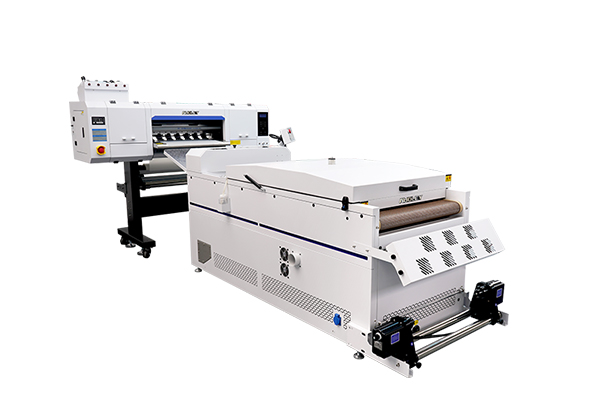
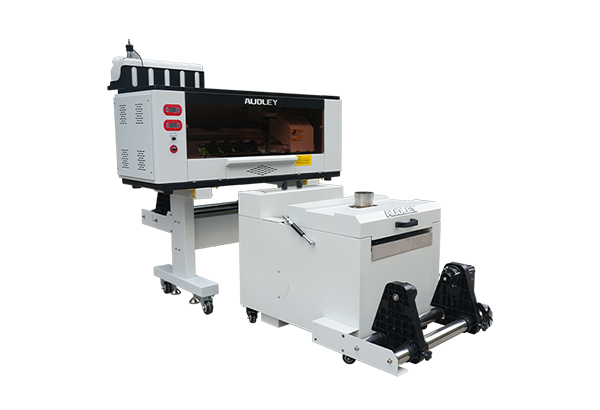
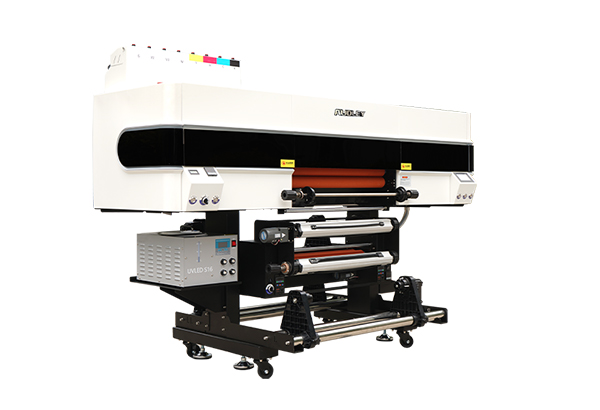
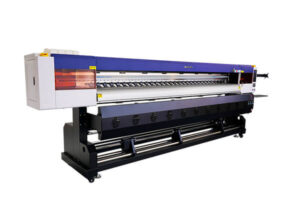
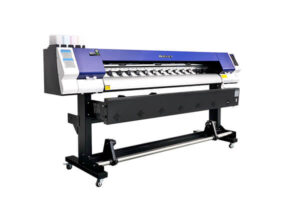
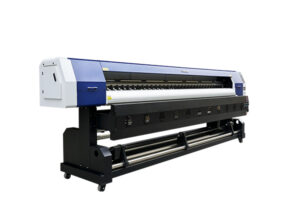
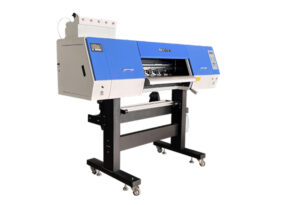
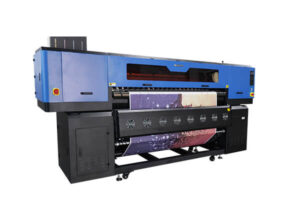
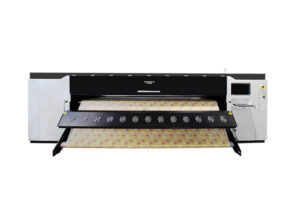
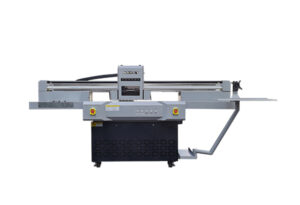
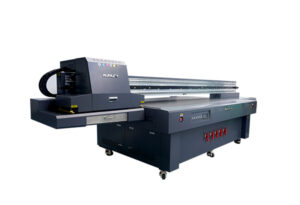
The AUDLEY 8074-3 UV DTF printer is one option for businesses planning to produce crystal labels and decorative transfers.
According to AUDLEY’s published product information, the 8074-3 configuration features a printing width of up to 600 mm, four Epson I3200-U1 printheads, and a listed resolution of 3200 dpi. Its ink configuration includes CMYK, white, and varnish. The system also incorporates white ink circulation and film-laminating-related functions.
These features support a workflow designed for producing colorful transfers with glossy decorative effects. The available configuration can be reviewed on the AUDLEY 8074-3 UV DTF printer page.
Before purchasing, businesses should confirm the exact machine configuration, supported film, recommended print settings, production speed for their chosen mode, and maintenance requirements.
It is also worth requesting sample prints using the intended artwork. Fine text, narrow outlines, small logos, and raised varnish effects can place different demands on the printing process.
A sample evaluation helps buyers understand the actual finish and determine whether the equipment meets their customers’ expectations.
8. How Can Businesses Turn Crystal Label Printing into a New Opportunity?
The commercial value of UV crystal label printing comes from the products and services a business can offer, not simply from the visual effect.
A print shop might begin with a small collection of logo labels, promotional gifts, and decorative transfers. It can then evaluate customer feedback and identify which applications generate repeat orders.
For manufacturers, the technology can create another option for branding compatible products without changing the product’s basic structure. For distributors, it can provide a practical demonstration of how UV DTF equipment supports personalized decoration.
A sensible launch plan includes four steps:
- Choose a clear application. Start with a defined product category, such as branded accessories, gift decoration, or packaging labels.
- Prepare representative samples. Show the differences between a flat print and a raised, glossy finish.
- Test the complete application process. Check adhesion, edge quality, surface appearance, and durability under realistic conditions.
- Calculate the cost per finished label. Include film, ink, varnish, labor, maintenance, waste, and application time.
These steps help businesses judge whether the process fits their customers, production capacity, and pricing strategy.
Conclusion: Give Product Logos More Depth with UV Crystal Labels
UV crystal label printing offers a distinctive combination of vivid colors, transparent gloss, and raised surface texture. It can help businesses create more recognizable logos and decorative finishes for compatible gifts, hardware, packaging, and personalized products.
The technology does not eliminate the need for material testing or process control. Instead, its value comes from matching the right printer, film, ink configuration, and application method to the intended product.
For businesses exploring this market, AUDLEY’s 8074-3 UV DTF printer provides one option to evaluate for crystal label production.
Want to explore UV crystal label printing for your business? Contact AUDLEY to discuss your target applications, printing requirements, and suitable equipment configurations.