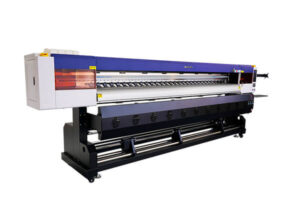
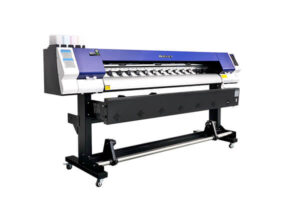
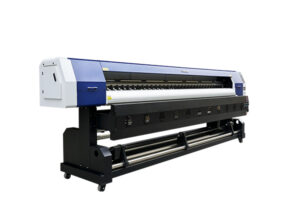
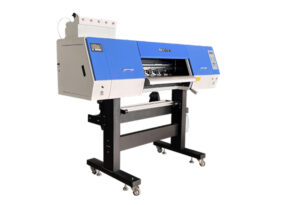
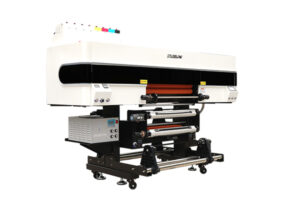
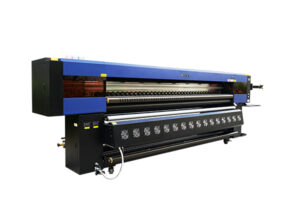
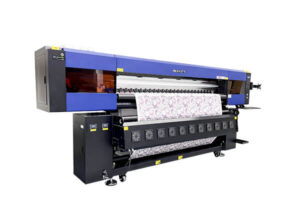
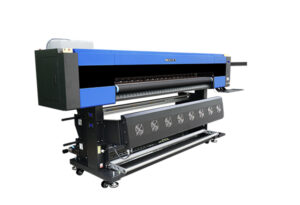
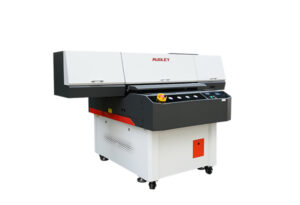
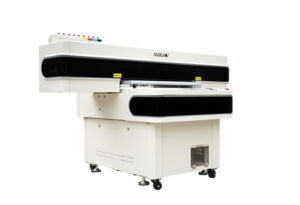
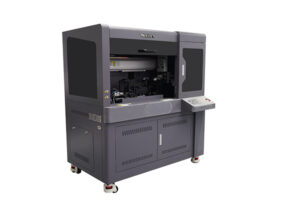
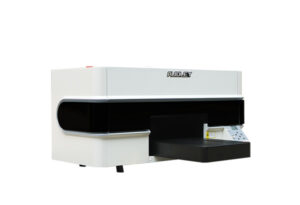





A productive garment printing workshop needs more than fast printing and consistent colors. Operators also need a working environment where powder is properly managed, equipment noise is controlled, and unwanted odors are kept under control.
For businesses running a six-head DTF printing setup, the powder-shaking stage is an important part of the production workflow. If this stage is difficult to manage, it can affect the comfort of the workplace and make daily production more demanding.
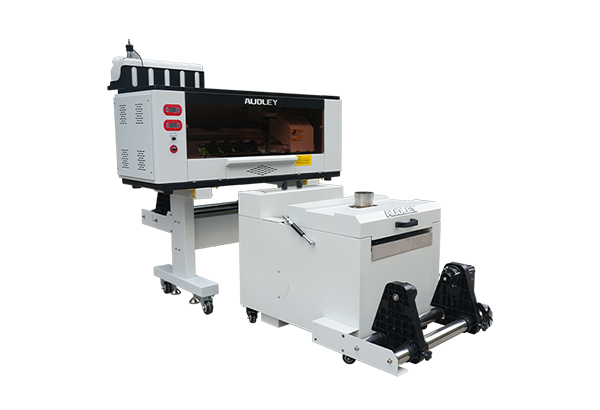
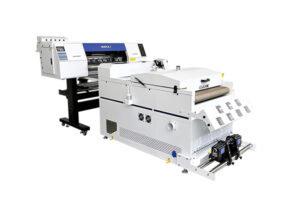
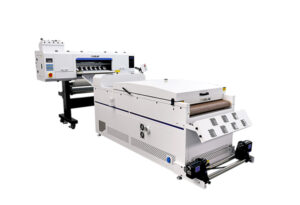
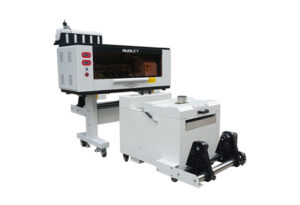
A DTF powder shaker equipped with an integrated air purification system offers a practical approach to these concerns. By combining powder handling, filtration, and low-noise operation, AUDLEY’s solution is designed to support a cleaner and more comfortable printing environment.

1. Why the Working Environment Matters in DTF Printing
DTF printing involves several connected processes, including printing, adhesive powder application, curing, and heat transfer. Each stage has its own operating requirements, and the powder-shaking stage deserves particular attention.
Loose adhesive powder can become airborne during handling if the equipment and work practices do not adequately contain it. At the same time, the operation of fans and other mechanical components can contribute to background noise.
Odors may also develop during production, depending on the adhesive powder, inks, curing temperature, and ventilation conditions.
These issues matter for both small customization studios and larger garment printing factories. A workshop that feels uncomfortable can make daily tasks more difficult, particularly when operators work near the equipment for extended periods.
Improving the working environment therefore involves more than cleaning the floor at the end of a shift. Businesses should consider how the equipment manages powder, how air is filtered, and how noise is controlled during normal operation.
2. Three-Stage Filtration for Better Powder Management
An integrated purification system is one of the key features to consider when selecting a DTF powder shaker.
The AUDLEY configuration described here uses a three-stage filtration system. Its purpose is to help manage airborne particles and support cleaner operation around the powder-handling process.
Multiple filtration stages can serve complementary roles, depending on the filter materials and system design. However, the actual filtration performance depends on the specific configuration, filter condition, airflow, and maintenance schedule.
For operators, the practical benefit is a more organized approach to powder management. Instead of relying entirely on general room cleaning, the equipment incorporates filtration into the production workflow.
To maintain effective operation, users should inspect the filters regularly, follow the manufacturer’s replacement instructions, and avoid allowing accumulated powder to obstruct the system.
It is also important to distinguish particle filtration from odor removal. Removing fine particles does not automatically eliminate every odor or gaseous emission. Businesses should confirm the system’s capabilities and maintain appropriate workplace ventilation according to the materials being processed.
3. Low-Noise Operation for a More Comfortable Workshop
Noise is another factor that can be overlooked when comparing DTF production equipment.
In a busy workshop, the printing machine, powder shaker, curing equipment, air circulation, and other machinery may operate at the same time. Their combined noise can make communication more difficult and create a less comfortable working environment.
AUDLEY’s powder-shaking solution incorporates a low-noise fan designed to support quieter operation.
This feature can be particularly useful in workshops where operators need to communicate, monitor print quality, or manage several production tasks in the same space.
However, actual sound levels depend on the machine configuration, installation, operating conditions, and surrounding equipment. Without measured decibel data, it would not be appropriate to assign a specific noise reduction percentage.
For a fair equipment comparison, businesses can request measured noise levels and evaluate the machine under representative operating conditions before purchasing.
4. Odor Control: What Should Printing Businesses Consider?
An unpleasant smell can be a concern in garment printing, especially when adhesive powder and printed film move through the curing process.
The source of the odor matters. Different consumables can produce different emissions, and the temperature and ventilation conditions can influence how those emissions behave.
An integrated filtration system may help improve air management, but its effectiveness against odors depends on whether the system includes filtration media designed for the relevant gases or volatile compounds.
For this reason, buyers should ask suppliers which filtration materials are installed and what types of emissions the system is designed to address.
The equipment should also be used with compatible consumables and within the recommended operating temperature range. Regular maintenance and suitable room ventilation remain important, even when an air purification system is installed.
A responsible approach focuses on reducing avoidable exposure and improving workplace conditions rather than assuming that every odor can be eliminated by one machine.
5. Supporting a Six-Head DTF Production Workflow
For a business using a six-head DTF printer, the powder shaker should be considered as part of the complete production line rather than as an isolated accessory.
The printer creates the image on transfer film. The powder shaker applies adhesive powder to the intended printed areas and supports the next stage of processing. The curing system then prepares the transfer for subsequent application to garments.
When evaluating this workflow, buyers should consider printing width, material compatibility, feeding stability, powder application, curing requirements, and the space available in the workshop.
The integrated filtration system and low-noise fan address another part of the decision: how the production equipment fits into the daily working environment.
This is particularly relevant when a business plans to increase production capacity or install multiple machines in the same facility. A well-planned layout, appropriate ventilation, regular maintenance, and clearly defined operating procedures can all contribute to a more manageable production area.
Before selecting equipment, request a demonstration using the intended film and adhesive powder. This allows the business to assess both the print-and-powder workflow and the practical conditions around the machine.
8. How to Maintain a Cleaner and More Reliable Production Area
Even a well-designed powder shaker needs regular care. A simple maintenance routine helps operators identify problems before they interrupt production.
Inspect the filtration system. Check the filters according to the manufacturer’s schedule. Replace or clean components only as instructed, and confirm that airflow remains unobstructed.
Keep powder handling under control. Use compatible adhesive powder, follow the recommended operating procedures, and remove accumulated powder safely. Avoid cleaning methods that unnecessarily disperse particles into the air.
Monitor the fan and equipment condition. Unusual sounds, reduced airflow, or visible powder accumulation may indicate that inspection or maintenance is required.
Maintain appropriate ventilation. Follow the safety instructions for the inks, powders, and curing process in use. Filtration equipment should complement, not automatically replace, suitable room ventilation.
Train operators. Clear instructions for loading materials, checking filters, handling powder, and reporting abnormalities help create more consistent working practices.
Evaluate the results. During routine inspections, record maintenance activities and note any changes in powder accumulation, airflow, odor, or operating noise. These observations can help the team identify developing issues.
A cleaner workplace is achieved through a combination of equipment design, correct operation, and consistent maintenance.
A More Considered Approach to DTF Production
Choosing a DTF powder shaker involves more than comparing output and machine dimensions. Powder management, filtration, noise, maintenance, and workplace layout all deserve attention.
AUDLEY’s solution combines a powder-shaking workflow with a three-stage filtration system and a low-noise fan. For businesses operating a six-head DTF printing setup, these features provide additional factors to consider when planning a production environment.
The right configuration depends on the materials, production volume, ventilation conditions, and space available at the facility.
Looking for a DTF printing solution that fits your production needs? Contact AUDLEY to discuss your printing workflow, powder-handling requirements, and equipment configuration.