



1. Choosing The Right Printing Process Can Change Your Business
For apparel printing businesses, choosing the right printing technology is one of the most important decisions.
Many customers ask:
Should I choose DTF printing?
Or is DTG printing better for my business?
The answer depends on your products, materials, order volume and customer needs.
DTF and DTG are both popular digital apparel printing technologies, but they are designed for different production situations.
Choosing the right process can help businesses maintain stable quality, improve production efficiency and reduce unnecessary costs.
Choosing the wrong process may lead to higher production expenses, slower delivery times and limitations when accepting new orders.
For growing apparel businesses, understanding the difference between DTF and DTG is the first step toward building a more efficient printing workflow.

2. DTG Printing: The Preferred Choice For Premium Cotton Apparel
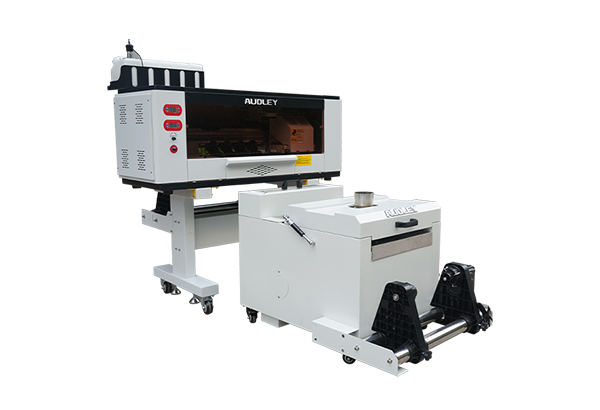
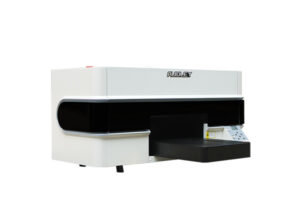
DTG (Direct To Garment) printing is a technology that directly prints ink onto the fabric surface.
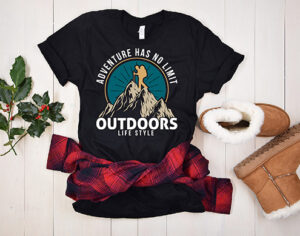
It is especially suitable for high-quality cotton garments, premium apparel and products that focus on softness and wearing comfort.
For customers who care about hand feel, DTG has unique advantages.
The ink directly penetrates into the fabric fibers instead of creating an additional transfer layer. This creates a softer printing effect with a natural textile feeling.
DTG is commonly used for:
- Premium cotton T-shirts
- Children’s clothing
- Fashion apparel
- Boutique clothing brands
- Personalized high-end garments
- Small batch apparel collections
For example, when printing baby clothing or close-fitting garments, customers usually prefer a softer surface without a noticeable printed layer.
This is where DTG becomes valuable.
A well-designed DTG workflow can help apparel businesses create premium products with excellent color performance and comfortable hand feel.
AUDLEY provides DTG printing solutions designed for businesses that require high-quality garment printing and flexible customization production.
3. DTF Printing: A Flexible Solution For High Efficiency Production
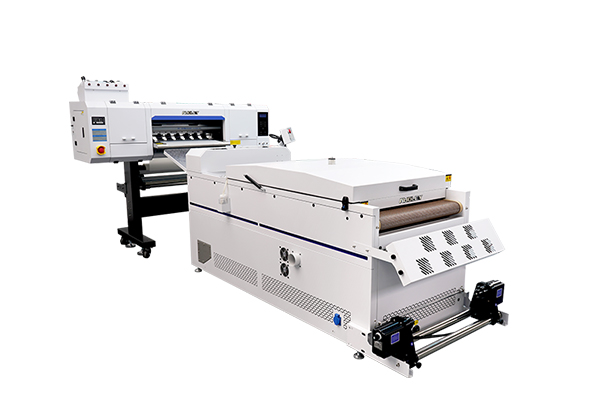
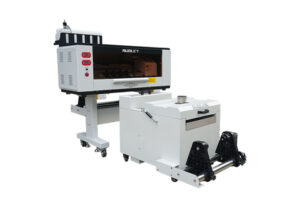
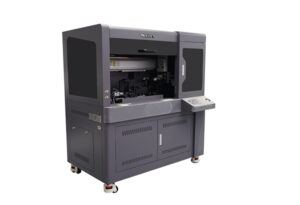
Unlike DTG, DTF (Direct To Film) printing uses a transfer film process.
The design is first printed onto PET film, then transferred onto the garment through heat pressing.
One of the biggest advantages of DTF is material flexibility.
DTF can work with many different fabrics, including:
- Cotton
- Polyester
- Blended fabrics
- Dark-colored garments
- Sportswear
- Workwear
- Promotional clothing
This makes DTF a popular choice for businesses that receive different types of apparel orders.
For example:
A sportswear supplier may receive polyester jersey orders.
A promotional company may print hundreds of customized shirts.
A clothing factory may need fast production across different fabrics.
In these situations, DTF provides a flexible production method.
Compared with DTG, DTF is often preferred for larger order quantities because the workflow can be organized for continuous production.
For many businesses, DTF efficiency can be several times higher than traditional DTG workflows depending on the production setup and order type.
4. DTF vs DTG: Different Applications, Different Advantages
The biggest mistake many buyers make is comparing DTF and DTG as if one technology completely replaces the other.
Actually, they solve different business problems.
| Comparison | DTG Printing | DTF Printing |
| Best Application | Premium apparel | Flexible garment production |
| Main Advantage | Soft hand feel | High versatility |
| Suitable Fabric | Mainly cotton | Cotton, polyester, blends |
| Printing Method | Direct printing | Film transfer |
| Best For | Boutique brands, premium clothing | Bulk orders, mixed fabrics |
| Production Style | Small batch customization | Efficient production workflow |
| Print Feeling | Natural textile feeling | Slight transfer layer |
The right choice depends on your business model.
If your customers mainly request premium cotton apparel, DTG may provide better product value.
If your business receives mixed fabrics, sportswear or larger quantities, DTF may provide better production flexibility.
5. How Apparel Businesses Can Reduce Costs By Choosing Correctly
Production cost is not only about machine price.
It includes:
- Material compatibility
- Labor time
- Production speed
- Maintenance requirements
- Order flexibility
- Waste reduction
A wrong printing process can increase hidden costs.
For example:
A premium cotton brand choosing a transfer process may not achieve the expected hand feel.
A business printing large polyester orders choosing only DTG may face efficiency limitations.
Therefore, professional apparel companies usually select equipment according to their order structure.
A simple way to evaluate:
Choose DTG If You Focus On:
✔ Premium cotton products
✔ Soft hand feel
✔ High-quality apparel brands
✔ Small customized orders
✔ Fashion samples
Choose DTF If You Focus On:
✔ Polyester fabrics
✔ Dark garments
✔ Large quantity orders
✔ Sportswear
✔ Fast production response
6. AUDLEY Provides Complete Apparel Printing Solutions
Modern apparel businesses need more than one machine. They need a complete production solution.
AUDLEY provides both DTF and DTG printing equipment, helping customers choose suitable technology based on their products, materials and production goals.
From personalized T-shirts to industrial garment production, different customers have different requirements.
A small custom apparel shop may focus on flexible order handling.
A clothing factory may focus on production efficiency.
A fashion brand may focus on premium quality and product experience.
AUDLEY helps customers analyze their business direction and select suitable printing solutions instead of simply recommending one machine.
With professional printing equipment, matched consumables and technical support, businesses can build a more stable apparel production workflow.
7. The Future Of Apparel Printing Is Flexible Production
The apparel market is changing quickly.
Customers want personalization.
Brands want smaller inventory.
Businesses want faster response.
This means flexible production is becoming more important.
DTF and DTG are not competitors that replace each other. They are different tools designed for different market needs.
Successful apparel businesses understand their customers first, then choose the right technology.
The best printing solution is not always the fastest machine or the cheapest equipment.
It is the solution that matches your orders.
8. Choose The Right Technology And Grow Your Apparel Business
For apparel printing businesses, choosing between DTF and DTG is not about finding a winner.
It is about finding the right match.
DTG provides premium quality and soft garment feeling for high-end cotton apparel.
DTF provides flexibility, efficiency and wider fabric compatibility for diverse production needs.
By understanding your orders and choosing the correct workflow, you can improve product quality, reduce production costs and accept more business opportunities.
AUDLEY provides professional DTF and DTG printing solutions to help apparel businesses grow with more confidence.
The right technology helps you avoid unnecessary costs, deliver better products and build a stronger printing business.
FAQ
What is the difference between DTF and DTG printing?
DTG prints directly onto garments, while DTF prints onto film first and then transfers the design to the fabric.
Is DTG better than DTF?
Neither technology is always better. DTG is ideal for premium cotton apparel, while DTF is better for flexible fabric applications and higher production efficiency.
Which printing method is better for T-shirts?
Both can print T-shirts. DTG is suitable for premium cotton T-shirts, while DTF is suitable for different fabrics and larger order quantities.
Which technology is better for polyester clothing?
DTF is usually preferred for polyester and blended fabrics because of its wider material compatibility.
Can a business use both DTG and DTF?
Yes. Many professional apparel businesses use both technologies to handle different customer requirements.