




Color-white-color printing is attracting attention in the advertising and sign-making industry. As customers look for more eye-catching graphics for windows, lightboxes, retail displays, and promotional materials, print shops are exploring different ways to improve color performance on transparent media.
For years, UV printing has been a popular choice for this type of application. Now, growing interest in solvent-based color-white-color workflows is encouraging businesses to reconsider their existing equipment and production options.
However, the two technologies are not interchangeable in every situation. Understanding their differences in ink performance, workflow, application requirements, and operating costs can help print businesses make more informed investment decisions.

1. Why Is Solvent Color-White-Color Printing Gaining Attention?
Traditional eco-solvent printing is widely used for advertising graphics, including vinyl stickers, PVC banners, wallpaper, vehicle graphics, and other roll media. Its established workflow makes it familiar to many small and medium-sized print shops.
Color-white-color printing introduces another possibility. In a compatible configuration, colored ink, white ink, and a second color layer can create a three-layer print structure. This arrangement can help produce more vivid graphics on transparent materials when the ink system and printing sequence are properly configured.
For businesses that already operate solvent printers, the appeal is straightforward: they want to explore additional applications without automatically investing in an entirely new production platform.
Nevertheless, white ink availability, opacity, ink compatibility, and printing stability must be verified before introducing this process. A standard CMYK eco-solvent printer should not be assumed to support white ink simply because the printing workflow is technically possible in other configurations.
The opportunity is therefore best understood as an emerging production option rather than a universal upgrade for every solvent printer.
2. What Makes UV Color-White-Color Printing Different?
UV printing uses ultraviolet light to cure specially formulated ink during the printing process. This allows the printed surface to become ready for subsequent handling much sooner than in workflows that require additional solvent drying.
White ink also plays an important role when printing on transparent film. A properly configured white layer can provide a more effective background for colored graphics, helping the design retain its visual impact under different lighting conditions.
For example, a print shop producing window graphics or illuminated display materials needs to consider how the design will look both with and without backlighting. White ink density, layer order, film characteristics, and viewing direction can all affect the final appearance.
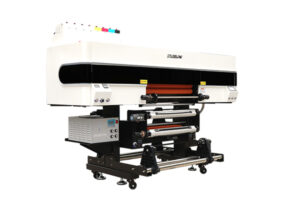
UV roll-to-roll printers can also support a range of advertising applications, including PVC soft film, wallpaper, backlit film, and decorative graphics. AUDLEY’s existing UV roll-to-roll article discusses these applications and the role of UV curing in the production workflow.
However, UV printing also has practical considerations. Equipment investment, ink consumption, white ink circulation, and regular maintenance all contribute to the total cost of ownership. For flexible materials, the compatibility of the cured ink layer with bending, folding, and the intended installation method should also be tested.
3. Solvent vs. UV: Which Factors Matter Most?
The best printing method depends on the order rather than on a single headline specification.
Ink and color performance: Both technologies can produce attractive graphics when matched with suitable media and print settings. For transparent materials, white ink opacity and the chosen layer structure are particularly important.
Production workflow: UV ink cures under the printer’s UV system, allowing suitable jobs to move quickly into finishing. Eco-solvent printing generally requires appropriate drying time before lamination, cutting, or installation. Actual processing time depends on ink coverage, media, environmental conditions, and the selected print mode.
Material compatibility: Eco-solvent printing is widely used for vinyl, banners, photo paper, wallpaper, and related advertising media. UV roll-to-roll systems can support many similar applications, subject to ink and substrate compatibility.
Durability: Neither printing method guarantees a particular outdoor service life in every environment. UV exposure, moisture, abrasion, substrate quality, lamination, and installation conditions all influence long-term performance. Test samples under the intended conditions before promising a service-life figure to customers.
Maintenance and operating costs: A meaningful comparison should include ink consumption, media waste, maintenance time, electricity, finishing, and labor. The purchase price alone does not determine which technology offers better value.
4. How Can AUDLEY Printer Options Fit Different Production Needs?
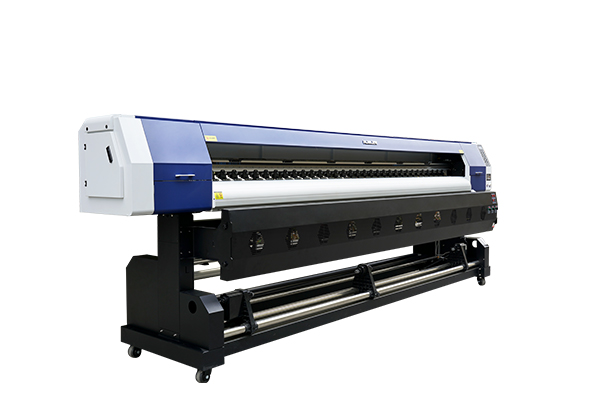
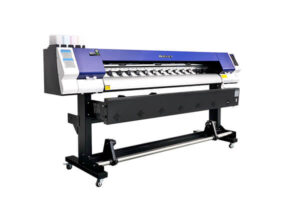
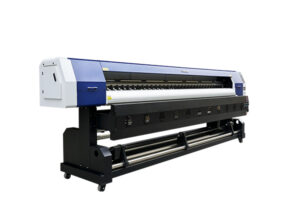
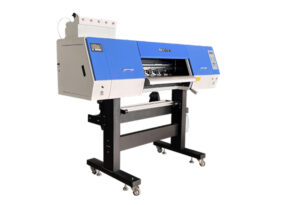
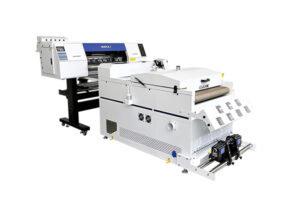
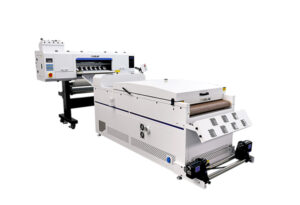
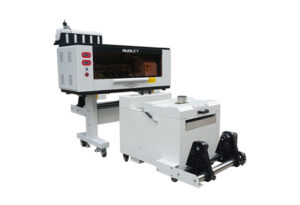
AUDLEY offers eco-solvent and UV printing equipment for different advertising production requirements.
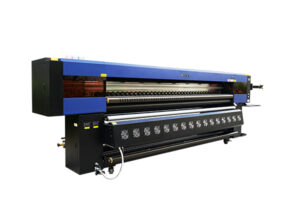
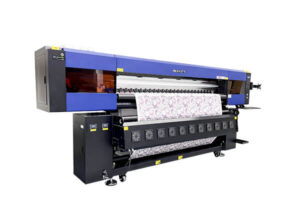
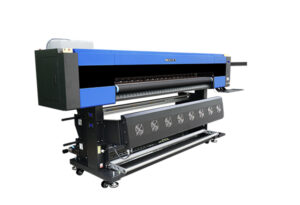
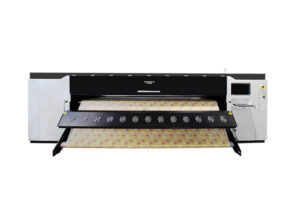
The AUDLEY 7192-3 Eco Solvent Printer is listed with a 1,900 mm or 3,200 mm print-width option. Its published specifications include speeds of up to 75 m²/h in 2-pass mode and 40 m²/h in 4-pass mode, with a listed resolution of 1440 × 2880 dpi. Actual output depends on the configuration, print mode, media, and image requirements.
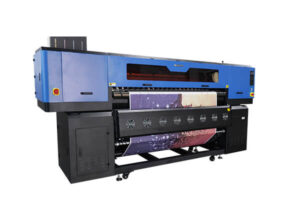
The AUDLEY 8194-3 Eco Solvent Printer is listed with a maximum print width of 1,900 mm. Its product page specifies a CMYK ink configuration and lists speeds of up to 135 m²/h in 2-pass mode and 80 m²/h in 4-pass mode.
These published specifications describe the listed eco-solvent configurations; they do not establish that these models support solvent-based white ink or color-white-color printing. Buyers interested in that workflow should confirm the exact model, printhead configuration, ink system, and supported production process with AUDLEY before placing an order.
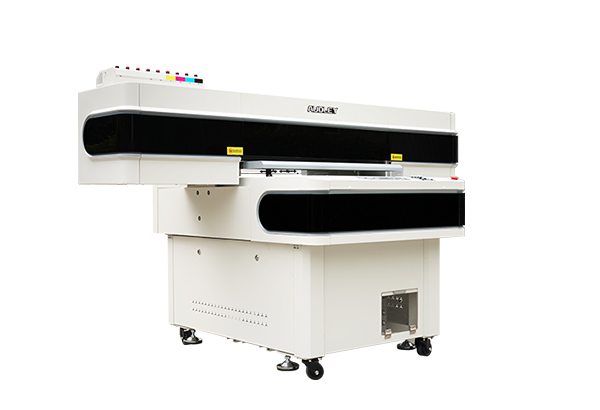
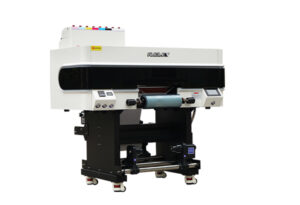
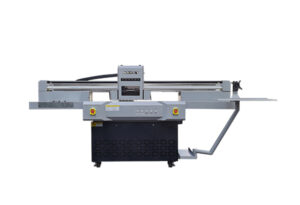
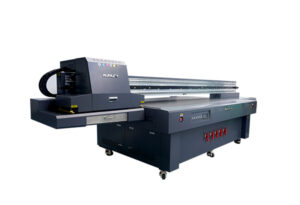
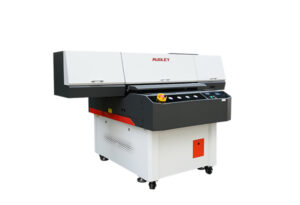
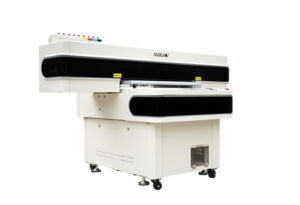
For businesses considering UV technology, AUDLEY also provides a UV roll-to-roll printing solution. The appropriate configuration should be selected according to the required media, white ink or varnish effects, production volume, and finishing process.
5. Where Is the Market Heading?
The development of color-white-color printing points toward a more diversified advertising production market. Rather than relying on one printing method for every order, businesses can build production capabilities around customer requirements.
Budget-conscious shops may prioritize equipment utilization, familiar media, and the cost of fulfilling everyday advertising orders. Businesses serving premium retail displays, illuminated graphics, and demanding commercial projects may place greater emphasis on white ink performance, rapid curing, and finishing efficiency.
This does not mean that solvent printing will disappear or that UV printing is always the better investment. The two technologies address overlapping but different production priorities.
For distributors and print shop owners, the most useful approach is to review actual customer orders, identify frequently requested materials, calculate the cost per finished job, and test samples before expanding into a new process.
Market interest alone is not enough to justify an equipment purchase. A practical business case should include expected order volume, material costs, maintenance requirements, operator training, and the selling price of the finished product.
8. How Should Print Businesses Choose the Right Solution?
Before selecting a printer, consider these five questions:
- What materials do your customers order most often? Identify the films, banners, wallpapers, and display media that account for the majority of your work.
- Do your applications genuinely require white ink? If so, verify that the proposed machine supports the required ink configuration and printing sequence.
- How quickly must orders be completed? Include drying or curing, cutting, lamination, and installation preparation when comparing production times.
- What does each finished job cost? Calculate ink, media, electricity, labor, maintenance, and waste rather than comparing ink prices alone.
- Can the equipment meet your quality and durability requirements? Produce test samples using your intended media and evaluate color, opacity, adhesion, flexibility, and resistance to the conditions the product will encounter.
Conclusion: Choose the Process That Fits the Order
Solvent and UV color-white-color printing should not be treated as direct substitutes. Each offers different advantages, operating requirements, and application possibilities.
For advertising businesses, the right investment begins with understanding customer demand and matching the printing process to the finished product. A well-selected eco-solvent printer can support established advertising workflows, while a suitable UV roll-to-roll system can open up additional opportunities where rapid curing and specialized ink effects are valuable.
AUDLEY provides printing equipment options for different production needs. By confirming the required configuration, testing the intended media, and evaluating the complete production workflow, print businesses can make a more reliable decision about their next printing investment.
Looking for a suitable printing solution for your advertising business? Contact AUDLEY to discuss your target applications, material requirements, and production goals.