



In garment printing, a small mistake can sometimes lead to a big problem.
A T-shirt may look perfectly fine when placed on the printing platen. However, a folded sleeve, a raised seam, or an uneven section of fabric can change the printing height.
When the print carriage moves across the garment, even a small height difference may create a risk of contact.
This is why carriage anti-collision protection matters.
For DTG printing businesses, this function does more than protect a machine. It helps reduce production risks, protect valuable printheads, and avoid unnecessary garment waste.

1. Why Can Uneven Garments Cause Problems During DTG Printing?
DTG printing allows businesses to print detailed designs directly onto garments. However, the quality of the final result depends on proper garment positioning.
Unlike a perfectly flat printing surface, real garments often have different thicknesses and shapes.
For example:
- A T-shirt may have wrinkles around the chest area.
- A hoodie may have thick seams or a raised pocket.
- A sleeve may accidentally extend into the printing area.
- A garment may not sit completely flat on the platen.
These situations can create unexpected height differences.
If the print carriage continues moving without sufficient protection, the printhead may come into contact with the garment or printing platform.
Such contact can damage sensitive printhead components, affect printing performance, and interrupt production.
Therefore, garment positioning is not just a matter of print quality. It is also an important part of equipment protection.
2. How Does a DTG Printer Anti-Collision System Work?
A carriage anti-collision system adds an important layer of protection during printing.
When the carriage encounters an unexpected obstruction, the protection mechanism responds by stopping the carriage instead of allowing it to continue moving into the obstacle.
This helps prevent unnecessary physical contact between the printhead assembly, the garment, and the printing platform.
For example, imagine that an operator places a T-shirt on the platen but accidentally leaves part of the fabric folded.
During printing, the carriage approaches the raised section.
With an anti-collision protection function, the machine can respond to the obstruction and stop the carriage, helping reduce the risk of further damage.
This feature is particularly useful in busy production environments where operators handle different garment styles throughout the day.
However, it should not replace correct garment positioning, platen adjustment, or routine machine checks.
3. Protecting the Printhead: Why It Matters to Your Business
The printhead is one of the most important and valuable components of a DTG printer.
It controls ink delivery and directly affects image quality, color consistency, and printing accuracy.
A damaged printhead can lead to several problems:
- Unexpected maintenance expenses.
- Production interruptions.
- Poor print quality or missing details.
- Additional troubleshooting and repair time.
- Delayed customer orders.
Moreover, printhead replacement and servicing can increase the overall operating cost of a printing business.
That is why preventing physical damage is just as important as maintaining ink circulation and performing regular cleaning.
A reliable protection system helps reduce avoidable risks before they turn into more expensive problems.
4. Protecting the Printing Platform and Garments
Printhead protection is only one part of the equation.
The printing platform also needs protection.
When a carriage hits an uneven garment or an improperly positioned object, the impact may affect the machine’s mechanical components and printing accuracy.
At the same time, the garment itself may become damaged.
For custom apparel businesses, this means losing more than just a piece of fabric.
Consider a personalized T-shirt that has already gone through pretreatment and preparation. If an accident damages the garment during printing, the business may lose the material, preparation time, ink, and labor invested in that order.
This is especially important for customized products because replacement garments may require additional preparation and production time.
Therefore, carriage anti-collision protection helps safeguard three important parts of the workflow:
- The printhead assembly.
- The printing platform.
- The garments being processed.
It provides an additional safeguard for daily production.
5. Better Equipment Protection Means Better Production Management
Many printing businesses focus on print speed, resolution, and machine price when purchasing equipment.
These factors certainly matter. However, long-term operating costs deserve equal attention.
A machine that produces excellent images but requires frequent repairs can create unexpected expenses.
In contrast, equipment with practical protective functions can help operators manage production more confidently.
Before starting a DTG printing job, operators should also follow several basic procedures:
First, check the garment. Make sure the fabric lies flat and remove wrinkles from the printing area.
Second, inspect the platen. Confirm that the garment is correctly positioned and does not extend into the carriage path.
Third, check the printing height. Adjust the platen according to the garment thickness and machine requirements.
Finally, monitor the first printing cycle. Watch the carriage movement and confirm that everything runs normally.
These simple habits, combined with appropriate machine protection, can help reduce avoidable production problems.
8. Choosing a DTG Printer: Look Beyond Printing Performance
When comparing DTG printers, buyers should consider more than image quality and production speed.
A practical equipment evaluation should include:
- Printhead protection and safety functions.
- Platen design and garment positioning.
- Maintenance accessibility.
- Ink supply and cleaning systems.
- Operator-friendly controls.
- Technical support and after-sales service.
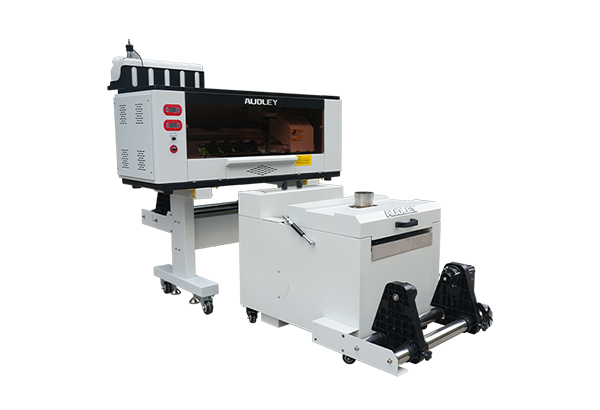
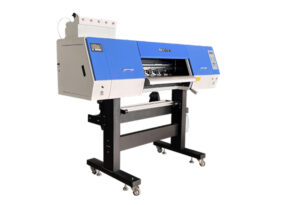
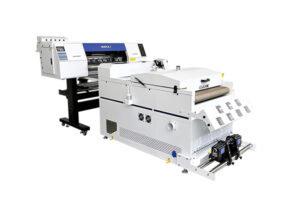
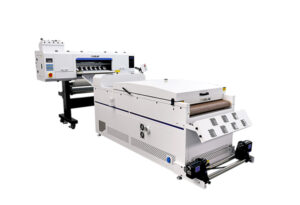
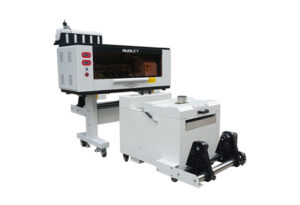
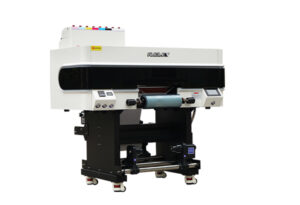
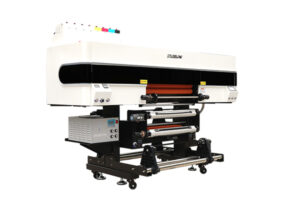
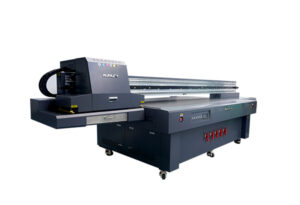
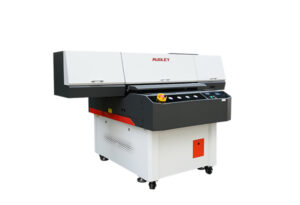
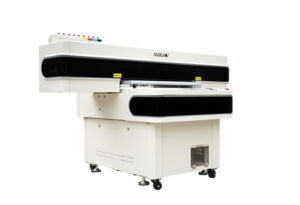
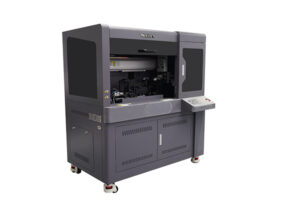
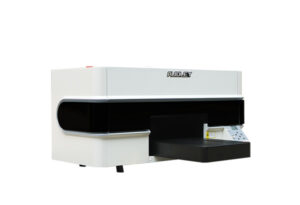
AUDLEY provides DTG printing solutions for T-shirts, hoodies, sweatshirts, uniforms, and other customized apparel applications.
Its dual-station DTG printer features four micro-piezoelectric printheads and two 380 × 430 mm printing areas, supporting flexible garment production. The listed ink configuration includes 2L of color ink and 3L of white ink.
These specifications give buyers a practical reference when evaluating equipment for commercial apparel production.
However, buyers should also confirm the anti-collision configuration of their selected model before purchasing, as protective functions may vary between machine configurations.
You can explore AUDLEY DTG Printer Solutions to learn more about its equipment and applications.
Protect Your Equipment. Reduce Waste. Print With Confidence.
In a busy garment printing workshop, small mistakes can become expensive problems.
A folded T-shirt or an uneven garment surface may seem insignificant, but it can put valuable printhead components and production equipment at risk.
That is why anti-collision protection deserves attention when choosing a DTG printer.
It is not simply an additional machine feature. It is a practical way to reduce avoidable damage, protect production resources, and support more reliable daily operations.
At AUDLEY, we believe that a good printing solution should deliver more than beautiful results. It should also help businesses work more safely, efficiently, and confidently.
Choose equipment that protects your production, not just your prints.