





The advertising printing industry is constantly looking for new ways to make ordinary graphics more attractive and valuable. Today, customers want more than a simple printed sticker. They expect bright colors, clear images, attractive displays and professional results from both sides of a window.
This demand is creating new opportunities for eco-solvent color-white-color printing.
By combining two color layers with an opaque white layer in the middle, this printing process makes it possible to produce graphics that look colorful from both sides of transparent materials. For advertising shops, sign makers and wide-format printing businesses, it offers another way to expand their services without relying entirely on traditional single-sided window graphics.
1. Why Is Color-White-Color Printing Gaining Attention?
Glass windows are valuable advertising spaces. Shopping malls, restaurants, retail stores and commercial buildings all use their windows to communicate with customers.
However, ordinary single-sided window graphics have a limitation. When viewed from the opposite side, colors may look different, images may appear reversed, and white areas may become transparent.
Color-white-color printing addresses this challenge.
The process uses three printing layers:
- First color layer: Creates the main image and visual details.
- Middle white layer: Provides opacity and separates the two color layers.
- Second color layer: Creates the reverse-side image.
As a result, one transparent film can display colorful graphics from both viewing directions.
This is particularly useful for storefront windows, glass partitions and retail advertising. Instead of preparing two separate advertising graphics, businesses can explore a single-film solution for double-sided visual presentation.
2. How Does the Eco-Solvent C-W-C Printing Process Work?
The basic idea is straightforward, but accurate layer alignment is essential.
First, the printer applies the front-side color design onto a compatible transparent printing material. Next, it prints an opaque white layer over the first image. Finally, another color layer completes the reverse-side design.
The white layer plays an important role. Without sufficient opacity, the two color images may interfere with each other. Consequently, the graphics can look less vibrant, especially when viewed under different lighting conditions.
With a properly configured color-white-color workflow, the white layer helps maintain stronger color separation and improves the visual appearance from both sides.
However, the final result depends on several factors, including white ink opacity, film transparency, ink compatibility, drying conditions and RIP software settings.
Therefore, businesses should test the complete printing workflow before accepting large production orders.
3. What Makes It Different From Traditional UV C-W-C Printing?
Both eco-solvent and UV printing can be considered for transparent advertising applications. However, they use different ink systems and production processes.
Eco-solvent printing uses solvent-based ink formulations that dry through controlled heating and evaporation. UV printing uses ultraviolet light to cure specially formulated ink on the material surface.
For flexible advertising materials, eco-solvent printing offers an interesting alternative.
Its potential advantages include:
- Flexible printed graphics suitable for selected roll materials.
- Smooth color transitions and detailed image reproduction.
- A relatively thin printed appearance when the ink and media are properly matched.
- Compatibility with established wide-format advertising workflows.
UV printing, on the other hand, offers immediate UV curing and can support a wider range of specialized surface applications.
Neither process is automatically better for every order. Instead, the right choice depends on the material, installation environment, required appearance and production budget.
For example, a shop producing flexible window stickers may prefer to evaluate an eco-solvent solution, while a business handling rigid promotional products may find UV printing more suitable.
4. Where Can Double-Sided Window Graphics Be Used?
The real value of this process lies in its commercial applications.
Retail businesses increasingly use transparent surfaces as part of their advertising and interior design. Therefore, double-sided graphics can help print shops serve more types of customers.
HP Large-Format Print Applications – Banners, Signage, Décor & more | HP® Middle East
044 | Transparent adhesive – TOTAL PUBLICIDAD
6
Typical applications include:
Retail storefronts: Display promotions, seasonal campaigns and product information to customers inside and outside the store.
Shopping malls: Create colorful window displays and promotional graphics for different retail brands.
Glass partitions: Add decorative patterns, visual information and branded graphics to office interiors.
Exhibition spaces: Use transparent graphics to create attractive displays without completely blocking natural light.
Elevator advertising: Explore transparent promotional graphics for suitable glass surfaces.
Automotive and architectural applications: Produce selected transparent adhesive graphics for compatible glass and film materials.
Potential printing materials include transparent adhesive vinyl, PET film, clear backlit film and other compatible transparent media.
However, each material requires testing for ink adhesion, transparency, flexibility and installation performance.
5. How Can Advertising Shops Benefit From This New Process?
For a small or medium-sized advertising shop, adding a new printing application does not always mean investing in another expensive production line.
One potential advantage of the eco-solvent C-W-C approach is that businesses with an existing compatible wide-format platform may be able to explore additional product categories through an appropriate printing configuration.
Consider a typical advertising shop.
Its regular orders may include banners, vehicle stickers, posters and standard window graphics. However, customers sometimes request more distinctive products, especially for retail stores and commercial interiors.
Double-sided transparent graphics create another opportunity.
Instead of competing only on the price of ordinary stickers, the shop can offer a more specialized product with greater visual value.
Furthermore, a wider product range can help attract different customer groups, including advertising agencies, retail contractors, exhibition companies and interior decoration businesses.
This does not guarantee higher profits. Nevertheless, it gives businesses more options when developing new services and communicating with customers.
8. Choosing the Right Wide-Format Printing Solution
Before introducing color-white-color printing, advertising businesses should evaluate their existing equipment and production requirements.
Important considerations include:
- Printing width: Choose a machine that matches the size of your regular orders. Small storefront graphics and large commercial window displays may require different production capacities.
- Ink configuration: Confirm that the machine supports the required white ink system and three-layer printing sequence.
- Media compatibility: Test transparent vinyl, PET film and other intended materials before commercial production.
- Color management: Check front-side and reverse-side artwork alignment, white ink opacity and final color consistency.
- Production stability: Evaluate media feeding, heating control and drying performance during continuous printing.
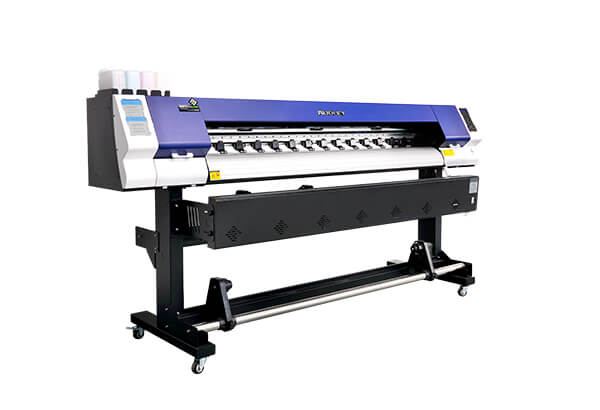
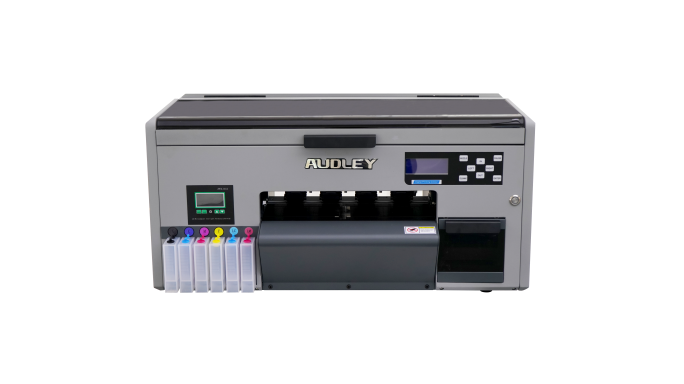
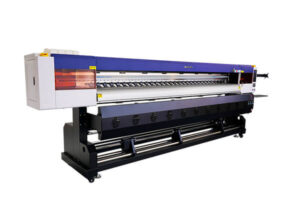
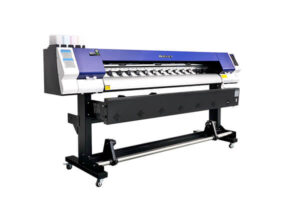
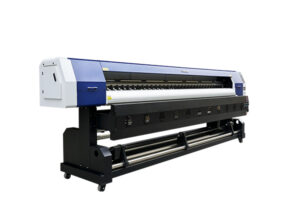
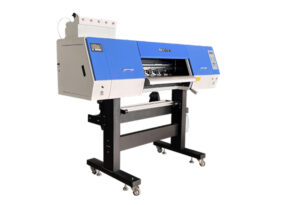
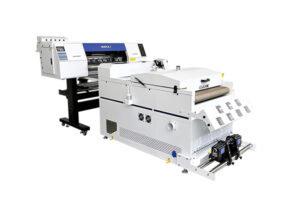
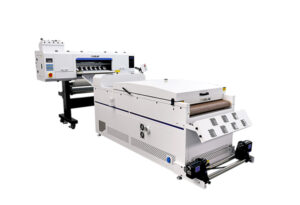
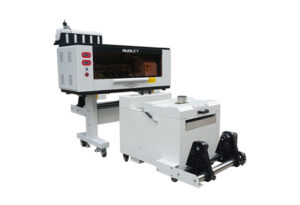
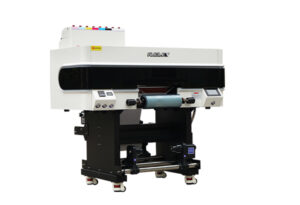
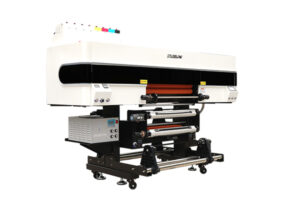
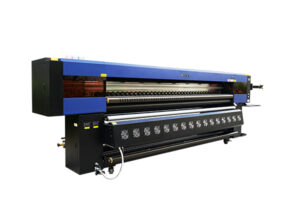
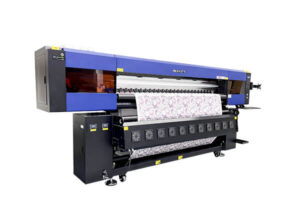
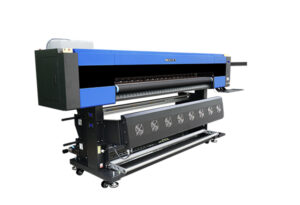
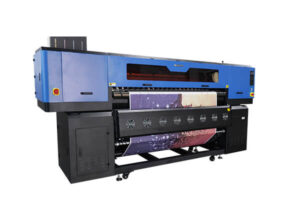
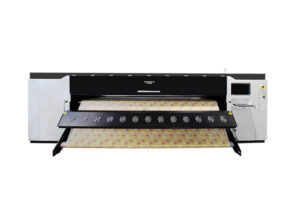
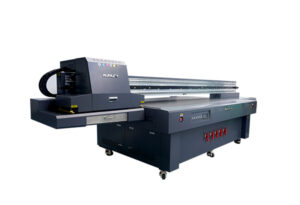
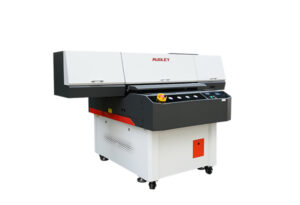
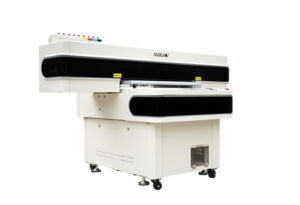
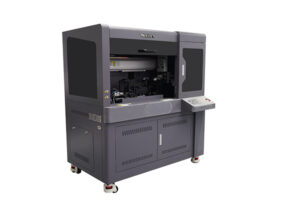
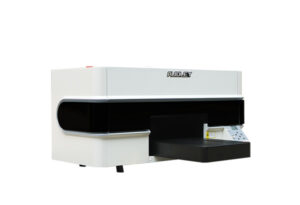
AUDLEY offers a range of wide-format eco-solvent printers, including the 7192-3, 8194-3 and 8324-3. The S3200 model also provides a 3,200 mm printing width for large-format advertising production. These products provide different equipment options for businesses with different production requirements. audley-printer.com+2
One important point: the currently published standard specifications show CMYK eco-solvent configurations. Businesses planning C-W-C production should confirm the availability of a compatible white-ink configuration, printhead arrangement and RIP workflow with AUDLEY before selecting a machine.
This step helps prevent equipment mismatches and ensures that the proposed solution meets actual production needs.
A New Direction for Advertising Printing
Eco-solvent color-white-color printing is an interesting development for businesses looking to expand their transparent advertising applications.
It creates opportunities for double-sided window graphics, retail displays and decorative glass applications. More importantly, it encourages print shops to think beyond traditional banners and single-sided stickers.
For advertising businesses, the next growth opportunity may not come from accepting more ordinary orders. It may come from offering products that customers cannot easily find elsewhere.
AUDLEY continues to provide wide-format digital printing equipment for advertising and commercial printing applications. If you are exploring new printing processes, contact our team to discuss suitable equipment configurations, media compatibility and production requirements.
AUDLEY — Expanding Printing Possibilities for Your Business.