




The advertising printing industry is constantly developing new ways to make printed graphics more attractive and commercially valuable. From retail storefronts to shopping mall displays, customers increasingly expect graphics that look impressive from every viewing angle.
One application receiving growing attention is color-white-color printing on transparent materials.
This three-layer printing method creates colorful images on both sides of transparent film, with an opaque white layer separating the two color layers. It opens up new possibilities for window graphics, glass decorations and commercial displays.
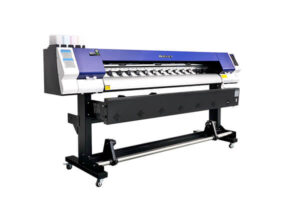
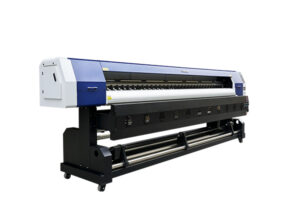
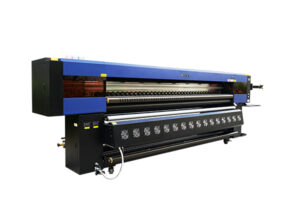
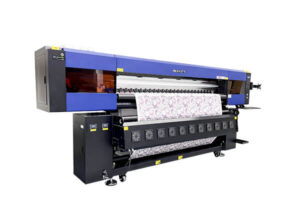
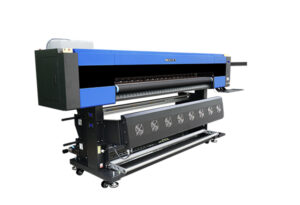
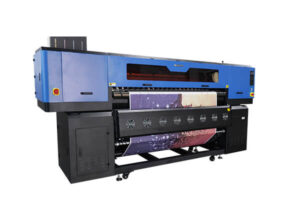
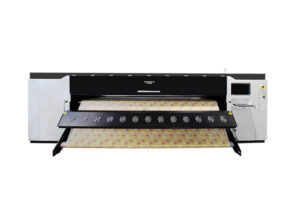
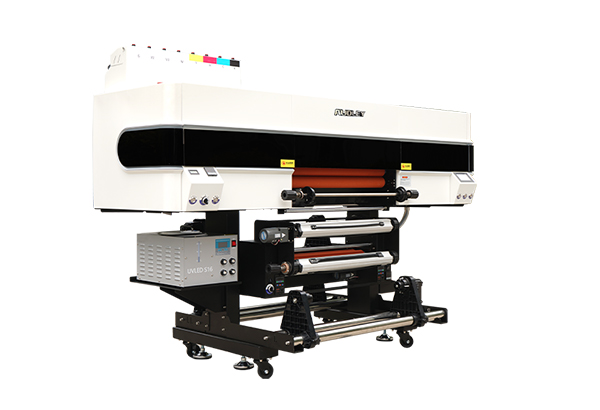
For printing businesses looking to expand their services, a Roll-to-Roll UV Printer offers an efficient way to explore these applications while maintaining the flexibility of wide-format production.
1. What Is Color-White-Color UV Printing?
Color-white-color printing, also known as C-W-C printing, uses three layers to create double-sided visual effects.
Unlike ordinary single-sided printing, this process allows graphics to remain colorful and recognizable when viewed from either side of a transparent material.
The printing structure includes:
- First color layer: Prints the main image and establishes the front-side appearance.
- White ink layer: Creates an opaque backing that separates the two images.
- Second color layer: Completes the reverse-side visual design.
The white ink layer is particularly important. Without sufficient opacity, light can pass through the printed area and reduce color visibility.
With a properly configured UV printing workflow, the white layer helps improve color separation and maintain a stronger visual appearance from both directions.
This makes C-W-C printing suitable for transparent window stickers, retail displays, glass partitions and other advertising applications.
2. Why Choose a Roll-to-Roll UV Printer?
For commercial printing businesses, production efficiency and application flexibility are important when selecting equipment.
A Roll-to-Roll UV Printer uses UV-curable ink and an integrated UV curing system. The ink is cured by ultraviolet light during printing, allowing the printed material to move into suitable finishing processes without the long solvent evaporation period associated with solvent-based workflows.
This brings several practical advantages.
Faster production flow
UV curing takes place during the printing process. Once the material has completed printing and curing, it can generally proceed to inspection, cutting or other compatible finishing operations.
White ink capability
White ink supports printing on transparent and colored media. It can serve as a backing layer for C-W-C graphics or as an underbase for designs that require stronger color visibility.
Additional visual effects
Depending on the machine configuration, UV printing can combine color, white ink and varnish to create glossy details, textured surfaces and raised effects.
Flexible media applications
Roll-to-roll UV printing supports various compatible flexible materials, helping advertising businesses handle different types of commercial orders.
These features make UV roll printing a practical option for businesses that want to develop more specialized advertising products.
3. UV Color-White-Color vs. Weak-Solvent Color-White-Color
Both processes can produce double-sided graphics, but their production principles and application characteristics are different.
| Comparison | UV Color-White-Color | Weak-Solvent Color-White-Color |
|---|---|---|
| Drying method | UV curing | Heating and solvent evaporation |
| Production flow | Fast curing | Requires drying and ventilation time |
| White ink | Depends on UV ink configuration | Depends on compatible white ink configuration |
| Surface appearance | Can produce layered and glossy effects | Generally thinner and flatter |
| Flexible materials | Depends on ink and media compatibility | Suitable for selected flexible films |
| Rigid materials | Possible with suitable UV equipment | Generally limited to flexible roll media |
| Finishing | Can proceed after suitable curing | Requires sufficient drying time |
Weak-solvent C-W-C printing has an attractive position in the market. Its relatively thin ink layer can produce smooth gradients and a soft visual appearance. It may also offer an economical option for businesses that already own compatible equipment.
However, drying time and white ink opacity can limit certain production requirements.
UV C-W-C printing offers a different set of advantages. Faster curing, white ink layering and additional varnish effects make it suitable for applications that require more immediate processing or special surface finishes.
Neither process is suitable for every job. The best choice depends on the printing material, installation environment, required appearance and delivery schedule.
4. Commercial Applications: Where Can Double-Sided UV Graphics Be Used?
The biggest opportunity for C-W-C printing is not limited to producing ordinary stickers. It allows advertising businesses to offer more attractive products for commercial environments.
Here are several promising applications.
Retail storefronts
Transparent window graphics allow shops to display promotions, brand messages and seasonal campaigns. Colorful images can be viewed from both inside and outside, making better use of existing glass surfaces.
Shopping malls and brand stores
Retail chains often need consistent promotional displays across multiple locations. Double-sided graphics provide another option for creating attractive storefront campaigns.
Glass partitions and office decoration
Printed transparent films can add decorative patterns, privacy elements and visual information to glass partitions.
Exhibition and event decoration
Temporary exhibitions, product launches and promotional events often require visually appealing glass decorations. UV-printed transparent materials can support customized display requirements.
Backlit advertising
UV white ink can also help create a stronger white backing for compatible backlit materials, improving the appearance of graphics under illumination.
AUDLEY’s advertising application portfolio already covers window graphics, banners, posters, light boxes and other commercial display products. These applications provide a useful foundation for developing additional UV printing services. audley-printer.com+1
5. How AUDLEY UV Printing Solutions Support Different Business Needs
Different printing businesses have different production goals. A small advertising shop may focus on customized window graphics, while a large printing factory may need to handle continuous roll production and larger commercial orders.
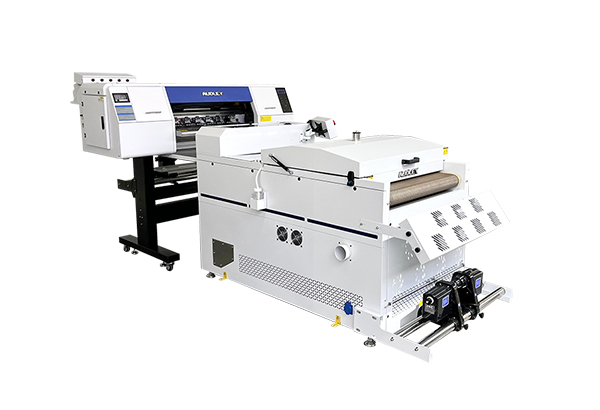
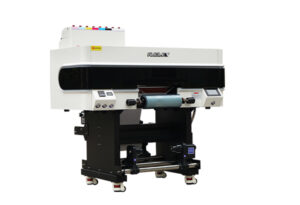
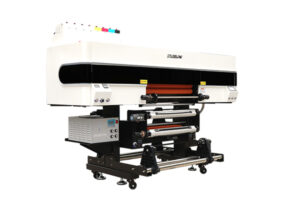
AUDLEY’s published UV roll-to-roll product information discusses three configurations:
- AUDLEY 7192-3(UV): Positioned for everyday commercial advertising production and flexible roll media applications.
- AUDLEY 8194-3(UV): Intended for businesses exploring higher-value UV graphics and white ink applications.
- AUDLEY 8324-3(UV): Positioned for larger production requirements and wide-format advertising applications.
These options provide different directions for businesses planning to expand their UV printing capabilities. audley-printer.com
For equipment selection, buyers should compare actual printing width, printhead configuration, ink channels, curing system and production speed rather than relying on model names alone.
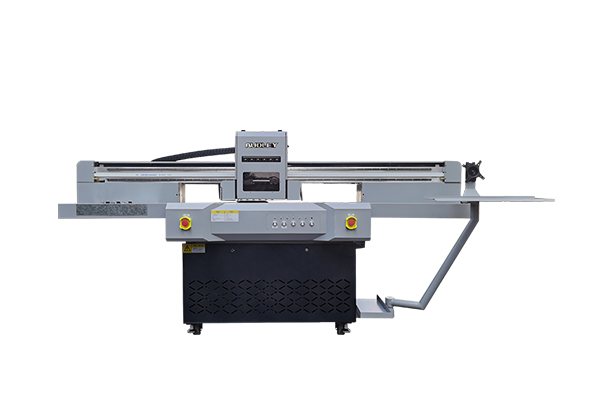
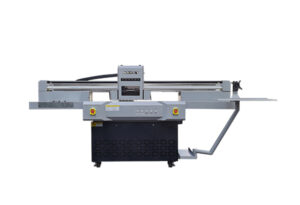
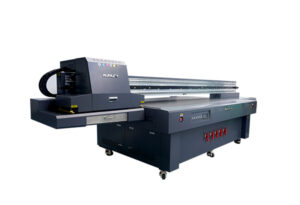
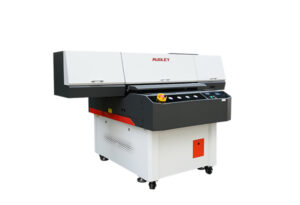
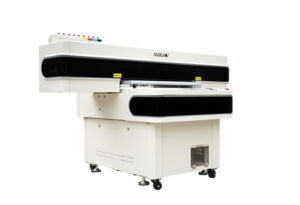
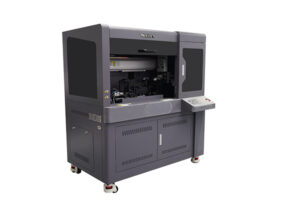
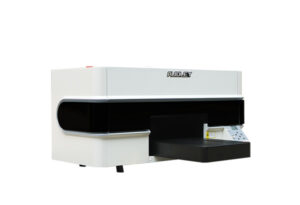
AUDLEY also offers hybrid UV printing solutions. For example, its 6090 UV printer supports flatbed, roll-to-roll, cylinder and crystal label printing, with CMYK, white and varnish ink configurations. This gives businesses additional application choices from one machine. 3 Head Epson I3200-U1 Heads
8. Market Outlook: Why UV Roll-to-Roll Printing Deserves Attention
The demand for customized advertising continues to create opportunities for commercial printing businesses.
Traditional banners and posters remain important products. However, customers increasingly want more distinctive visual effects, transparent graphics and customized decorative materials.
This creates three potential growth directions.
First, higher-value advertising products.
Instead of competing only on the price of ordinary printed materials, shops can introduce white ink graphics, transparent window displays and varnish-enhanced products.
Second, more flexible production.
A roll-to-roll workflow allows businesses to process continuous materials and handle different graphic sizes without preparing individual rigid panels.
Third, broader customer groups.
Retail stores, advertising agencies, exhibition contractors and interior decoration companies can all become potential customers for specialized UV printing services.
However, success depends on more than purchasing a machine. Businesses must also consider media costs, ink consumption, maintenance, operator training and finishing requirements.
How to Choose the Right UV Roll-to-Roll Printer
Before investing, consider these five questions:
- What types of materials do your customers order most frequently?
- Do you need white ink for transparent or colored media?
- What printing width and daily output do you require?
- Do your products need varnish, textured or raised effects?
- Can your supplier provide installation, training and technical support?
Testing real customer materials before purchasing is particularly important. It helps confirm ink adhesion, white ink opacity, flexibility and finished product quality.
Conclusion
Weak-solvent color-white-color printing is creating new possibilities for advertising shops, especially in the transparent film market. However, UV color-white-color printing offers its own advantages in curing speed, white ink applications and additional visual effects.
Rather than viewing the two processes as direct competitors, printing businesses should consider them complementary solutions for different customer requirements.
For businesses looking to expand their transparent graphics, commercial decoration and flexible advertising production, a Roll-to-Roll UV Printer can provide a valuable foundation for future growth.
AUDLEY is committed to developing digital printing equipment and practical printing solutions for customers worldwide.
Explore AUDLEY UV printing solutions and discover more possibilities for your printing business.
FAQ
1. What is a Roll-to-Roll UV Printer?
It is a digital printing machine that prints UV-curable ink directly onto continuous roll materials. UV light cures the ink during production.
2. Can a UV roll printer produce double-sided window graphics?
Yes. With a compatible C-W-C ink configuration, transparent materials can receive color, white and color layers to create double-sided visual effects.
3. What is the purpose of white ink in UV printing?
White ink provides an opaque backing layer, helping colors remain visible on transparent and colored materials.
4. What materials can a UV roll printer handle?
Depending on machine configuration and ink compatibility, applications can include PVC film, transparent film, wallpaper, backlit media, banners and decorative materials.
5. What is the difference between UV roll-to-roll and UV DTF printing?
UV roll-to-roll printers print directly onto compatible roll media. UV DTF printers print onto AB transfer film before transferring the design to the final product.


8-head-Sublimation-Printer-4.jpg.webp)