




A custom patch begins with a design, but its commercial value depends on what happens next. Can the artwork retain its fine details? Will the colors look consistent? Can the finished patch follow a precise outline? And will the material perform as expected in its intended application?
These are the questions apparel brands, promotional product suppliers, and customization businesses need to answer before introducing a new patch product.
UV printing for TPU patches offers another way to turn digital artwork into decorative products with colorful graphics, detailed textures, and an embroidery-inspired appearance. Rather than focusing only on how a patch looks, businesses should understand the complete production workflow, from artwork preparation to final quality inspection.

1. Start With the Product, Not Just the Design
The first step is to define what the finished patch needs to achieve.
A clothing brand developing a small chest logo has different requirements from a supplier producing large decorative badges for backpacks. The design size, material flexibility, surface appearance, attachment method, and expected use can all affect the production plan.
Before printing, consider three practical questions.
What should the patch look like? Some customers prefer clean, minimal logos. Others want colorful illustrations, intricate outlines, gradients, or a raised visual effect that resembles embroidery.
Where will it be used? Jackets, hoodies, caps, bags, and promotional accessories may involve different material and attachment requirements.
How will it be attached? Heat application, adhesive bonding, and other attachment methods require different finishing considerations. The selected TPU material and any adhesive layer must be compatible with the intended process.
Answering these questions early helps businesses choose appropriate materials and prepare artwork that is suitable for production.
2. How UV Printing Turns Artwork Into a TPU Patch
A digital printing workflow makes it possible to prepare different designs without creating a traditional embroidery pattern for every variation.
The process generally involves five stages.
Stage 1: Prepare the digital file.
Create the logo, illustration, or badge design using suitable graphic software. Confirm the finished dimensions, color requirements, fine details, and outer cutting line. Keeping the print artwork and cutting outline properly organized helps reduce avoidable errors.
Stage 2: Prepare the TPU material.
Not every TPU formulation has the same surface properties. Check the material specification and confirm its compatibility with the selected UV ink system before production. Surface preparation should follow the material supplier’s recommendations.
Stage 3: Print the white ink layer when required.
White ink can serve as an underbase for suitable materials and help colors appear more clearly. The correct ink sequence depends on the substrate, artwork, and desired appearance.
Stage 4: Print the color and decorative details.
The printer reproduces the digital design, including outlines, gradients, and fine graphic elements. Depending on the ink configuration and printing settings, layered printing may also create additional visual depth.
Stage 5: Complete contour cutting and inspection.
After printing and curing, the design can be cut along its prepared outline using a compatible cutting setup. Inspect the edges, registration, surface appearance, and overall consistency before approving the finished product.
The exact workflow may vary with the machine configuration and material. A representative sample should always be tested before full production begins.
3. What Creates an Embroidery-Like Appearance?
Traditional embroidery builds texture with thread. UV printing creates visual effects through printed ink layers, colors, and carefully prepared artwork. Although the two methods are different, printed TPU designs can be developed to achieve an embroidery-inspired appearance.
The design itself makes a significant difference.
For example, a logo with contrasting borders, carefully controlled highlights, and simulated thread-like details may create a more dimensional impression than a simple flat graphic. Gradients and multiple colors can also reproduce visual details that may be difficult to achieve with a limited-color design.
However, appearance should not be confused with physical construction. A printed patch is not automatically equivalent to a stitched patch in texture, flexibility, or durability.
For this reason, businesses should evaluate the actual sample under normal viewing conditions. Check whether the design communicates the intended premium appearance and whether its surface characteristics suit the target product.
4. Which Businesses Can Benefit From Custom TPU Patches?
The appeal of TPU patches extends beyond a single apparel category.
Clothing brands can develop distinctive logos and decorative elements for casualwear, streetwear, sportswear, and selected fashion collections.
Bag and accessory manufacturers can explore customized badges for backpacks, travel accessories, and lifestyle products, provided that the material and attachment method suit the product.
Promotional product suppliers can prepare branded patches for corporate merchandise, events, campaigns, and personalized gifts.
Customization businesses can offer different designs for individual customers, local organizations, clubs, and small brands.
Independent designers can test limited collections before committing to larger inventory quantities.
These applications create opportunities to expand a product catalog. However, a patch suitable for one application may not be appropriate for another. Material compatibility, attachment performance, and expected wear should be evaluated separately for each product category.
5. Is UV TPU Patch Printing Suitable for Small Orders?
Small-batch customization often involves frequent design changes. One customer may request a company logo, while another wants a character badge or a limited-edition graphic.
Digital artwork makes these changes easier to manage because the design can be updated in the file rather than recreated through a new traditional embroidery setup for every variation.
For example, a supplier developing a collection of five different badges can prepare separate artwork files, standardize the finished dimensions, and organize the production sequence around the required quantities.
This approach can be useful for samples, personalized products, seasonal collections, and short production runs.
Nevertheless, digital printing does not eliminate every setup cost. Artwork preparation, material waste, ink consumption, cutting, labor, and finishing still affect the total cost per patch.
To determine whether the process is commercially suitable, compare the complete production cost with the selling price and expected order volume. Actual sample testing and production records are more useful than assuming that one printing method will always be cheaper than another.
6. Quality Checks That Matter Before You Scale Up
A patch may look attractive immediately after printing, but its performance in the final product matters just as much.
Start with ink adhesion. Check whether the printed layers remain secure on the selected TPU material after curing. If the surface is intended to flex, evaluate it under conditions representative of the application.
Next, inspect contour cutting. Uneven borders or misaligned cutting paths can make an otherwise well-printed patch look unfinished. Consistent file preparation and suitable equipment calibration help control these issues.
Color consistency is another important consideration. Compare samples under similar lighting and record the settings used for approved results. This is especially useful when customers expect repeat orders to match previous batches.
Finally, test the complete attachment process. If the patch will be heat-applied to a garment, evaluate the combination of patch material, adhesive, fabric, temperature, pressure, and application time. Follow the relevant supplier instructions rather than assuming that one set of settings works for every material.
If the product will be washed or exposed to repeated stretching, perform application-specific durability tests before making performance claims to customers.
These checks help businesses establish a repeatable production process instead of relying on appearance alone.
Turning Custom Patch Ideas Into Production Opportunities
UV printing for TPU patches gives apparel businesses another way to develop distinctive decorative products. It combines digital artwork, color printing, optional white ink layering, and contour cutting in a workflow that can accommodate a variety of designs.
The most effective starting point is not necessarily a large production order. Begin with a representative design, test the intended TPU material, inspect the printed finish, and verify the final attachment method. Once the results meet the required standards, use the approved sample as a reference for future production.
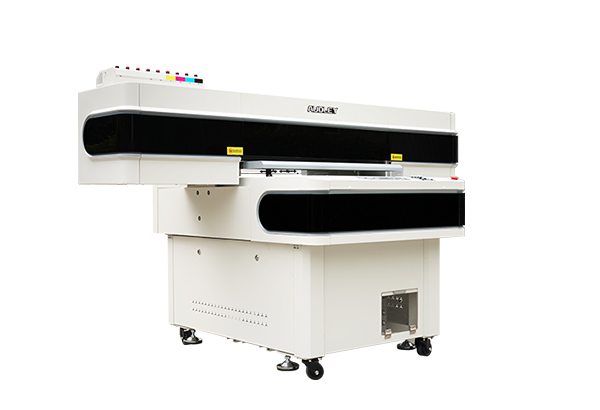
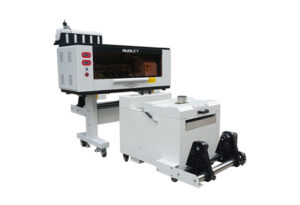
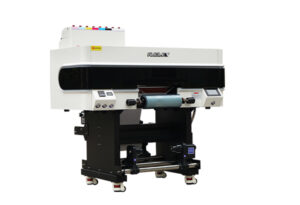
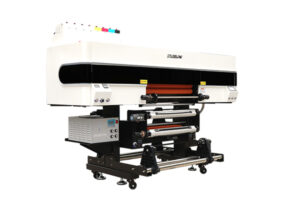
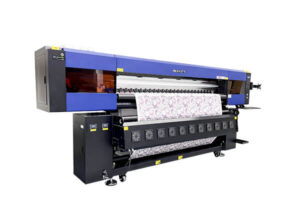
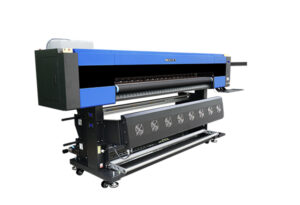
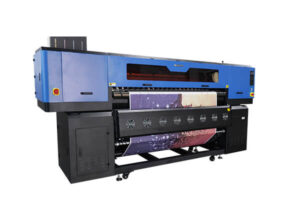
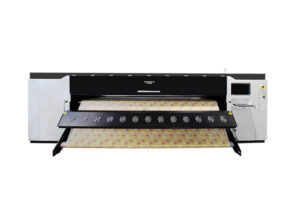
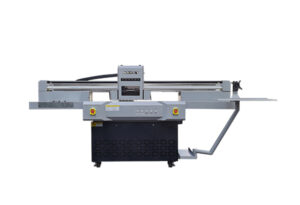
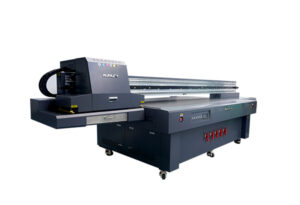
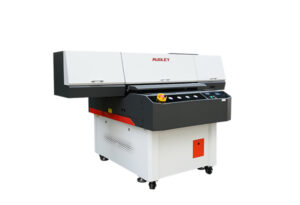
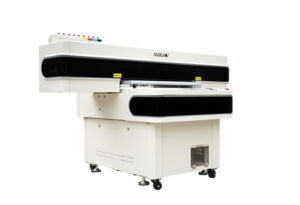
AUDLEY provides UV printing solutions for businesses exploring customized logos, decorative products, and other printing applications. The appropriate equipment depends on the material, design dimensions, required output, and production workflow.
Considering UV printing for TPU patches?
Contact AUDLEY to discuss your application and identify a suitable printing solution for your business.