





- The Technology Behind the 3D “Epoxy” Effect
- Core Hardware Innovations
- Versatile Production: Hot vs. Cold Transfer Applications
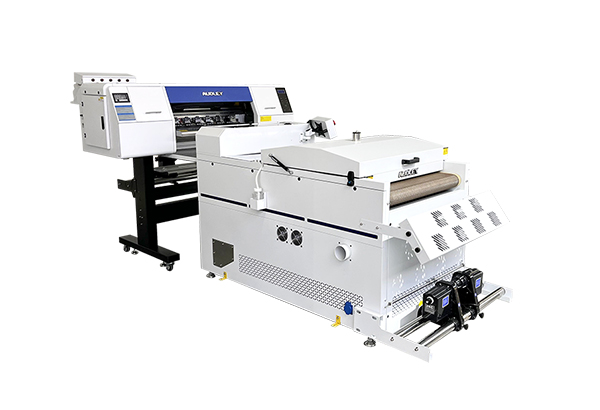
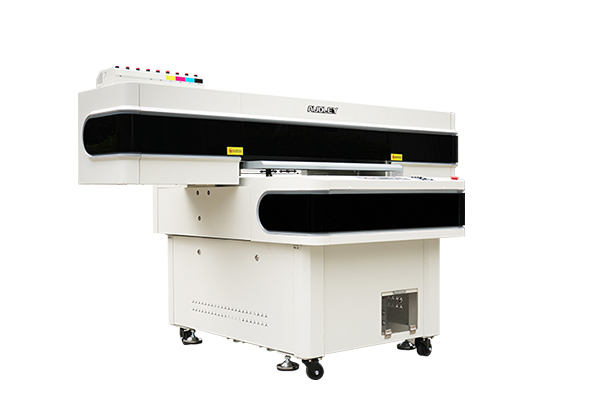
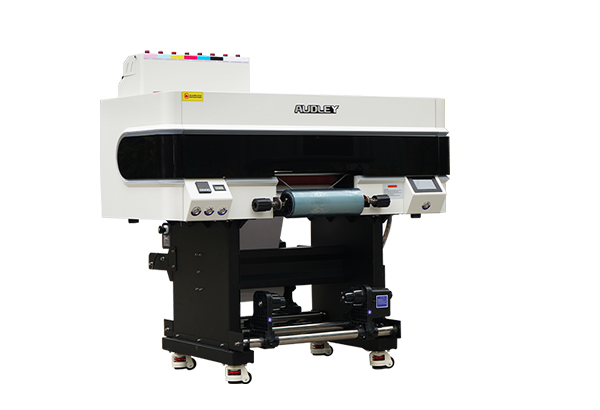
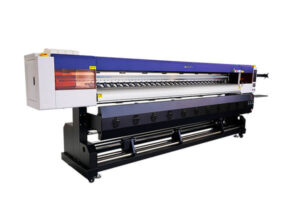
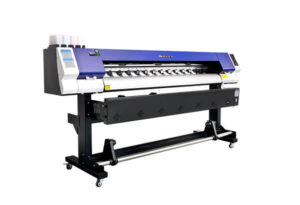
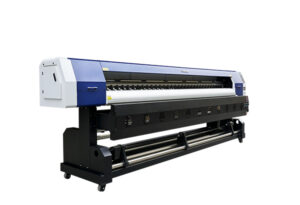
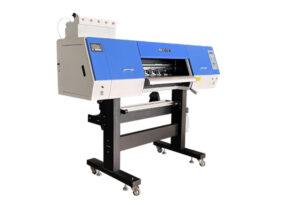
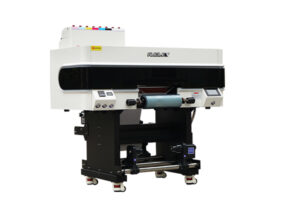
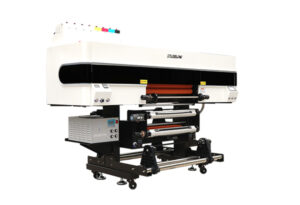
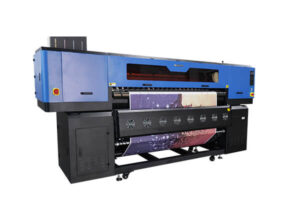
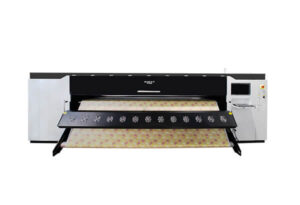
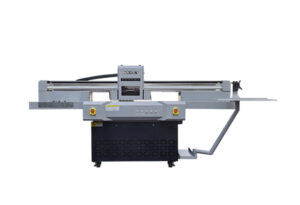
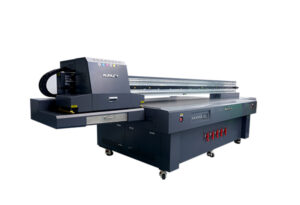
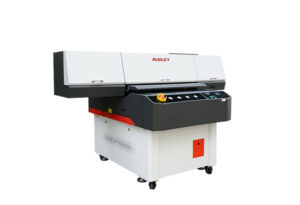
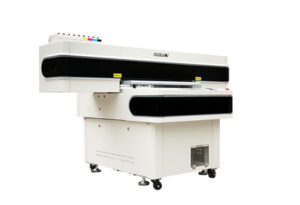
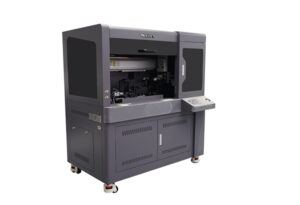
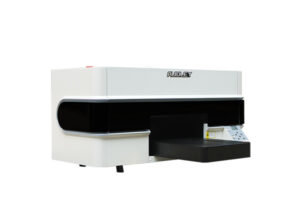
8074-3 UV Printer Achieving a premium, 3D epoxy effect on custom logos, labels, and badges traditionally required labor-intensive manual resin dropping, leading to long curing times and inconsistent quality. The AUDLEY 8074-3 UV Printer eliminates these manual processes entirely. By leveraging precise ink and varnish layering, this equipment creates a glossy, raised 3D texture that enhances product value directly from the print bed.

The Technology Behind the 3D “Epoxy” Effect
The secret to the 3D crystal sticker lies in the meticulous stacking of UV ink. The 8074-3 UV printer utilizes three 3200 printheads and operates efficiently in a 720×1800 DPI, 6PASS high-precision mode.
To simulate the thick, tactile feel of resin, the machine executes a specific ink configuration: two times color output, followed by dual layers of varnish applied at four times the standard volume (Varnish 4x + Varnish 4x). This heavy varnish accumulation creates a full, translucent dome over the vibrant color layer. Despite this heavy ink laydown, the machine maintains a comprehensive printing speed of 1.52 square meters per hour.
Core Hardware Innovations
To support this advanced printing technique, the 8074-3 UV is equipped with several industrial-grade systems:
Independent Dual LED Curing: The printer features a specialized LUX 10015 and 3515 dual-lamp combination. The smaller 3515 lamp focuses strictly on curing the color ink to ensure accurate adhesion, while the larger 10015 lamp rapidly cures the thick varnish layer to lock in the glossy surface.
Smart Temperature-Controlled Laminating: The upper laminating metal roller includes a high-temperature silicone layer with adjustable constant heating between 40℃ and 80℃. This smart temperature regulation ensures even heat distribution across the material, completely preventing bubbles, wrinkles, and warped edges during the lamination process.
Automated Ink Management: A built-in white ink stirring and circulation system prevents pigment precipitation, guaranteeing smooth and continuous printing without ink starvation during long production runs.
Versatile Production: Hot vs. Cold Transfer Applications
Depending on the final product, operators can choose between two primary transfer methods, making the 8074-3 UV highly adaptable for various commercial applications.
1.Hot Transfer Process
This method is strictly applicable to white, flexible substrates such as canvas shoes, baseball caps, and pure cotton T-shirts.
Process: After printing and removing the backing film , the graphic is tightly pressed onto the substrate using a heating plate preheated to 110℃.
Curing: A flat heat press must be used, strictly controlled between 130℃ and 150℃ for 10 to 15 seconds. The material must be allowed to cool completely before washing or use.
2.Cold Transfer Process
This method is designed exclusively for white, rigid materials.
Process: The cold transfer operates entirely at room temperature, meaning the laminating rubber roller requires no preheating.
Cutting: For optimal results, especially with small designs, it is highly recommended to use professional laser cutting to maintain neat edges and prevent peeling. Continuous, non-hollowed designs yield the best application results.