


- Why custom football jerseys are becoming a faster business opportunity
- Start with legally cleared player-inspired design assets
- Use AI tools to create personalized football artwork
- Prepare the image for DTG garment printing
- Print directly with Audley DTG printers
- Build a practical custom jersey business with service support
- FAQ section
1. Why custom football jerseys are becoming a faster business opportunity
As global football attention continues to rise ahead of the 2026 World Cup, the demand for customized jerseys is becoming more diverse and more time-sensitive. Fans no longer want only standard team shirts. Many customers now look for personalized designs, player-inspired artwork, custom names, unique numbers, fan slogans, club graphics and limited-edition styles.
For printing businesses, sportswear shops and local customization studios, this creates a practical opportunity: a lightweight, flexible and repeatable jersey customization business. Compared with traditional bulk jersey production, digital DTG printing can support one-piece orders, small team orders, fan group orders and brand collaboration designs without plate-making or high minimum order quantities.
With the right workflow, a single custom jersey can be completed in a short production cycle, making it suitable for retail stores, pop-up events, online orders and local sports communities.

2. Start with legally cleared player-inspired design assets
The first step in custom football jersey production is design preparation. For any commercial order, businesses should use legally licensed, self-owned or customer-authorized image assets. This is especially important when the design includes player portraits, team-inspired elements, names, badges or event-related graphics.
Instead of relying on unverified online images, merchants can prepare a design library in advance. This may include licensed football-style illustrations, original fan artwork, customer-submitted images, generic sports characters, number templates and customizable slogan layouts.
For safer commercial use, the design workflow should avoid unauthorized use of protected team logos, official tournament marks or celebrity likenesses unless the customer or business has the proper permission. A clear asset management system helps reduce legal risk and allows staff to respond faster when customers request customized jersey designs.
3. Use AI tools to create personalized football artwork
AI-assisted design can help businesses turn a customer idea into printable artwork more efficiently. For example, a portrait or reference image can be transformed into different creative styles such as cartoon, cyberpunk, retro comic, streetwear illustration or fan poster style.
For jersey customization, AI-generated artwork can be adjusted with hairstyle, clothing color, jersey number, nickname, cheering slogan or background elements. When properly processed, the final image can reach print-ready quality, such as 300 DPI output for DTG printing.
The advantage is speed. A design that once required a professional illustrator can now be generated and refined in a much shorter time. This helps stores serve walk-in customers, online buyers and team orders more efficiently. However, manual review is still important. Before printing, staff should check image clarity, color accuracy, edge details and whether the design meets commercial-use requirements.
4. Prepare the image for DTG garment printing
After the artwork is generated, it should be optimized for DTG printing. This step has a direct impact on the final jersey quality.
The image should be imported into professional design or RIP software for background cleanup, size adjustment, color correction and print area setting. For dark garments, white ink underbase settings should be carefully prepared to improve color brightness. For sports jerseys and cotton-blend garments, the design should also be adjusted to reduce ink bleeding and improve edge clarity.
Common optimization steps include removing unwanted background noise, sharpening key details, adjusting skin tones and team colors, adding customer names or numbers, and preparing the final layout according to the garment position. For a trained operator, a standard single design can often be prepared within about 10 minutes, depending on the complexity of the artwork.
This process does not require advanced graphic design skills if the templates and workflow are well prepared. For a store, that means ordinary staff can complete basic customization work after proper training.
5. Print directly with Audley DTG printers
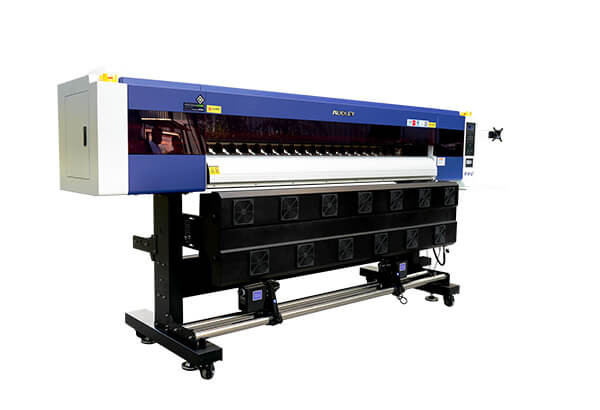
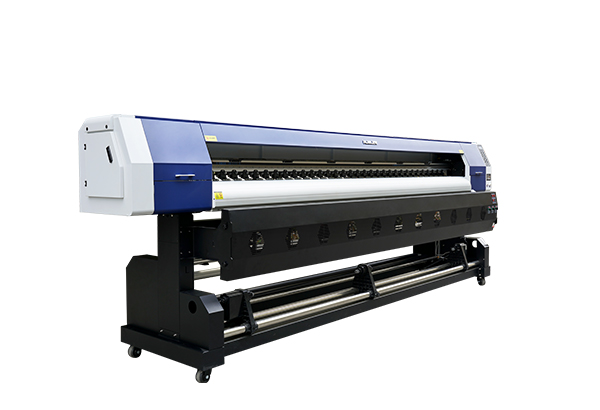
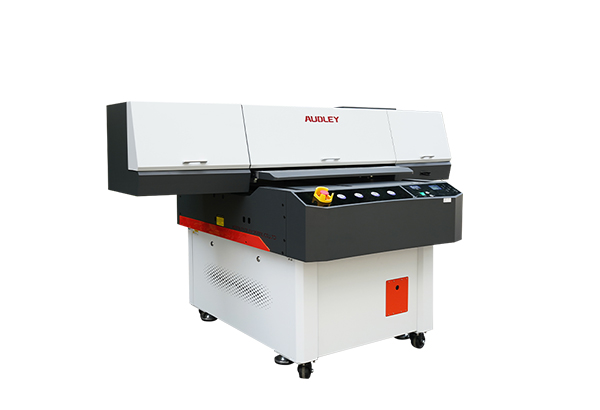
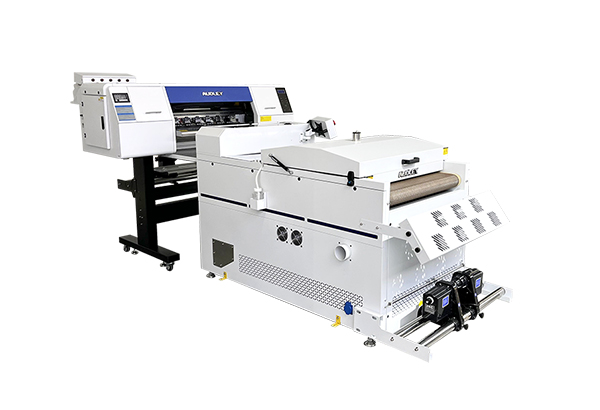
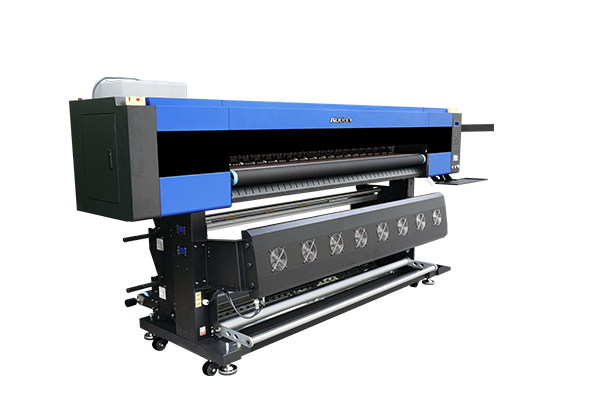
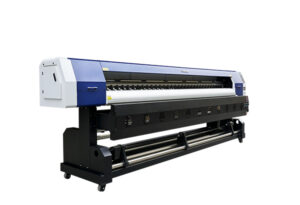
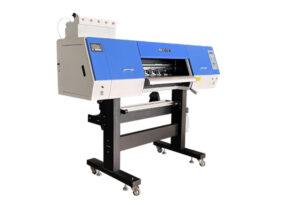
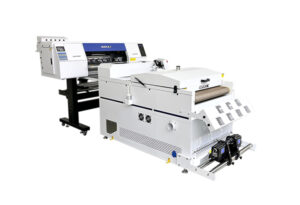
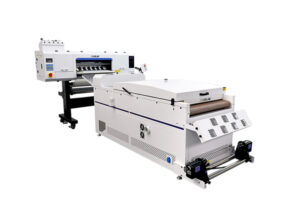
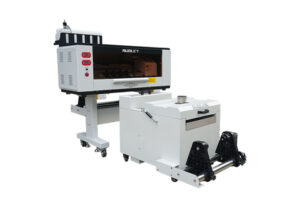
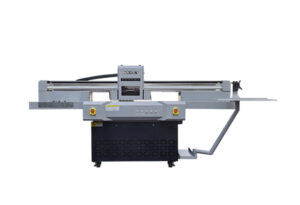
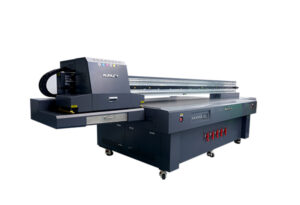
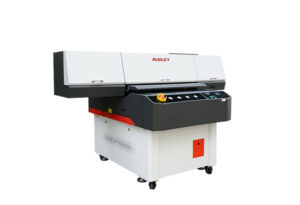
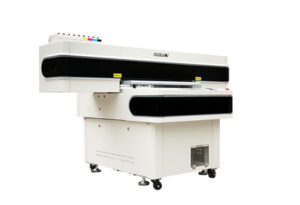
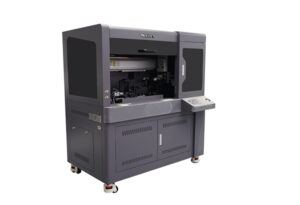
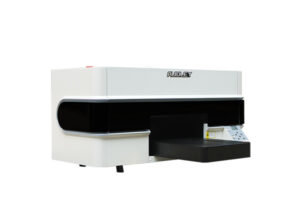
With Audley single-station or dual-station DTG printers, the prepared image can be imported into the printing program, matched with the correct fabric type, positioned on the garment and printed directly.
The DTG workflow is simple and practical. First, the garment is pre-treated to help the ink bond better with the fabric. After the first drying process, the image is printed directly onto the garment using water-based textile ink. After printing, a second curing or drying process is completed to improve color fixation and wash performance.
For an A4-size design, a single print can take about 8 minutes under suitable production conditions. This makes DTG printing suitable for fast-turnaround orders, one-off personalization and small-batch jersey customization. With stable workflow planning, a production setup can support more than 200 customized pieces per day, depending on the machine configuration, design size, pretreatment process and operator efficiency.
Because DTG printing does not require screen plates, it is especially useful for multi-design orders. One customer can order a single jersey with a name and number, while another can order a small batch for a local team. This flexibility is one of the strongest reasons DTG printing fits the sports customization market.
6. Build a practical custom jersey business with service support
For businesses preparing to enter the custom jersey market, equipment is only one part of the solution. A complete landing plan should include design templates, image processing workflow, garment positioning standards, pretreatment settings, curing parameters, order management and staff training.
Audley provides DTG printer installation, machine setup and operator training support to help customers start production faster. With proper guidance, many operators can understand the basic workflow within about two days and begin handling real orders with more confidence.
After-sales support is also important for long-term operation. Stable online and offline technical service helps customers solve questions related to printing settings, maintenance, ink management, image processing and production workflow. For small businesses and new printing shops, this reduces trial-and-error cost and helps build a more reliable daily production system.
1.Q: What is DTG printing for custom football jerseys?
A: DTG printing, or direct-to-garment printing, is a digital printing process that prints designs directly onto fabric using textile ink. It is suitable for custom football jerseys, fan T-shirts, team shirts, training wear and personalized sportswear.
2.Q: Is DTG printing suitable for small-batch jersey orders?
A: Yes. DTG printing does not require screen plates or complex setup, making it suitable for one-piece orders, small team orders, fan group customization and multi-design jersey production.
3.Q: How fast can a custom jersey be produced with DTG printing?
A: Under suitable production conditions, an A4-size design can be printed in about 8 minutes. The full production time depends on pretreatment, drying, curing, design size and operator workflow.
4.Q: What products can be made with Audley DTG printers?
A: Audley DTG printers can be used for custom football jerseys, fan apparel, T-shirts, training wear, club shirts, school team uniforms, promotional apparel and personalized fashion products.
5.Q: Does DTG printing require a minimum order quantity?
A: No. DTG printing is suitable for on-demand customization and one-piece production, which helps businesses reduce inventory pressure and accept more flexible customer orders.
6.Q: Can DTG printing support personalized names and numbers?
A: Yes. Customers can add names, numbers, slogans, illustrations and customized graphics to the design file before printing, making DTG ideal for personalized jersey production.
7.Q: What should businesses prepare before starting DTG jersey printing?
A: Businesses should prepare printable artwork, suitable garments, pretreatment process, curing settings, design templates and trained operators. Audley can provide machine installation, training and technical support.
8.Q: Why choose Audley DTG printers for custom sportswear printing?
A: Audley provides DTG printer solutions for flexible garment customization, helping customers produce small-batch sportswear, personalized jerseys and fan apparel with practical equipment support and after-sales service.
Custom football jerseys are not only seasonal products. The same DTG workflow can also be used for fan apparel, school team shirts, training wear, club uniforms, event T-shirts, brand collaborations and personalized fashion products. During the 2026 football season, demand may rise quickly, but the business model can continue beyond the tournament.
With fast design creation, direct garment printing, no minimum order quantity and flexible customization, Audley DTG printing solutions help businesses turn sports trends into real production opportunities. For customers who want to start with lower inventory pressure and higher order flexibility, DTG direct-to-garment printing offers a practical path into the custom jersey market.