



- 1. Why Raised Labels Matter in Apparel Branding
- 2. What Are Real Silicone Labels?
- 3. What Are TPU 3D Printing Labels?
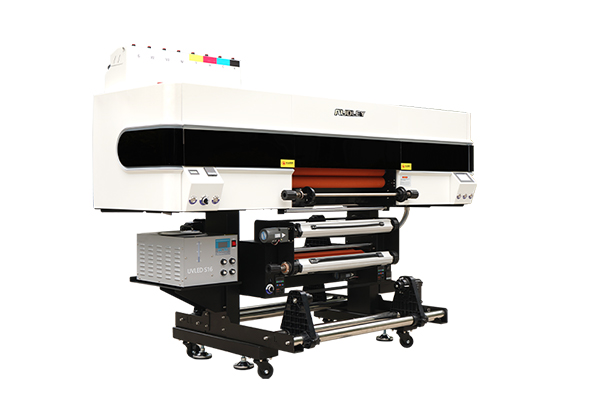
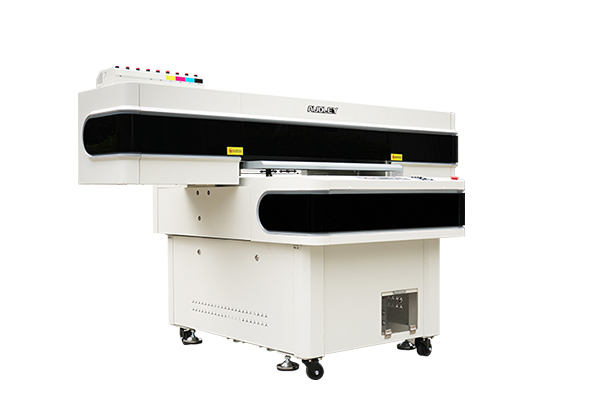
- 4. How AUDLEY UV Printers Help Produce
- 5. Silicone TPU 3D Printing and PVC Compared
- 6. Which Label Solution Should You Choose?
- 7.FAQ
1. Why Raised Labels Are Important for Apparel Brands
Raised labels are widely used in modern apparel branding. They can make a logo look more premium, more tactile and more recognizable. Compared with flat printing, a raised label gives the garment a stronger 3D effect.
You can often see these labels on sportswear, hoodies, bags, hats, shoes and outdoor clothing. They are also popular for fashion brands that want a stronger brand identity.
However, not all raised labels are the same. The main options include real silicone labels, TPU 3D printing labels and PVC soft rubber labels. They may look similar, but their materials, production methods, costs and applications are different.
For print shops and garment accessory suppliers, choosing the right label solution is important. A suitable solution can reduce sampling cost, shorten delivery time and support more customized orders.
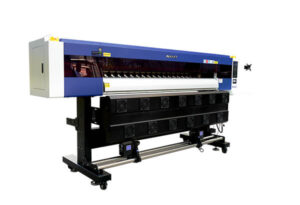
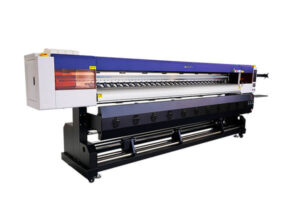
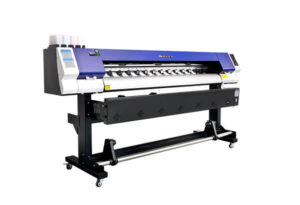
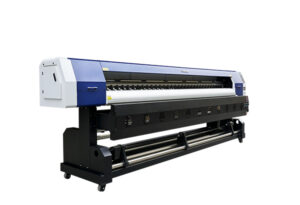
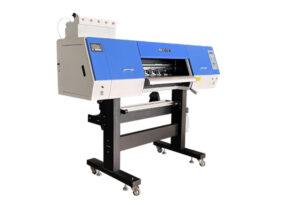
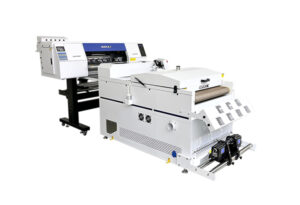
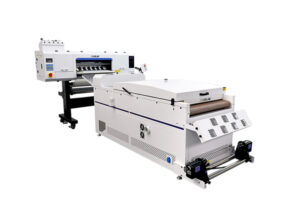
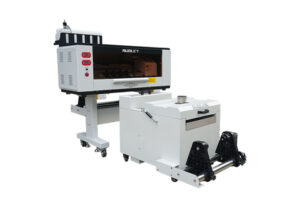
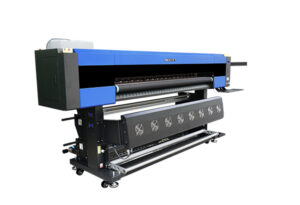
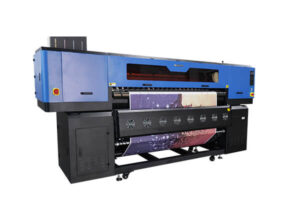
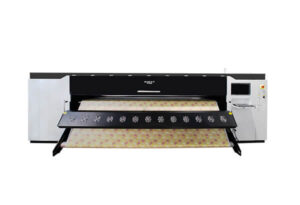
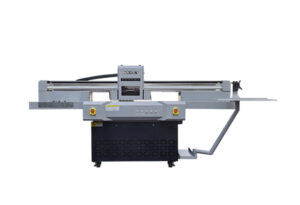
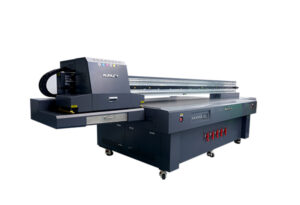
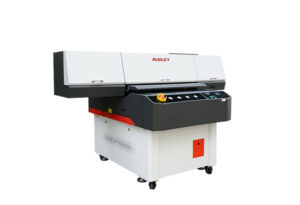
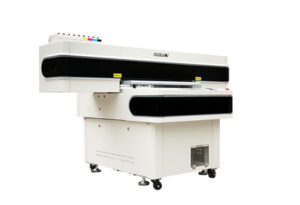
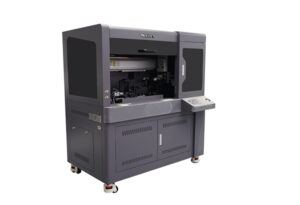
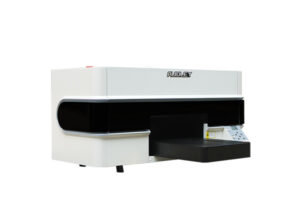
This is where AUDLEY UV printers can help. With digital printing technology, print shops can produce without traditional mold making.

2. What Are Real Silicone Labels?
Real silicone labels are made from liquid high-temperature vulcanized silicone. This material has good elasticity, a soft hand feel and strong temperature resistance.
The production process usually requires a metal mold. First, the mold is made according to the label design. Then liquid silicone is mixed with color paste and curing agent. After that, the material is dispensed into the mold layer by layer.
The label is then cured by heat. In many production processes, the curing temperature may be around 80°C to 160°C. The curing time may take about 40 to 90 seconds, depending on thickness and mold structure.
Real silicone labels have a premium texture. They are soft, elastic and durable. Therefore, they are often used for high-end sportswear, children’s clothing, outdoor jackets, shoes, bags and brand patches.
However, silicone labels also have limitations. They usually need mold cost, minimum order quantity and longer sampling time. For small orders or fast-changing designs, this may not be the most flexible choice.
3. What Are TPU 3D Printing Labels?
TPU 3D printing labels are designed to create a raised and flexible label effect. They are not real silicone labels. Instead, they usually use TPU or PU-based flexible materials, soft UV ink layers and a hot-melt adhesive backing film.
The biggest advantage is that do not need a metal mold. With an AUDLEY UV printer, users can import the artwork directly into the printing software. Then the printer builds the raised 3D effect layer by layer.
During printing, UV curing helps the printed layers form a stable raised surface. After printing, the label can be cut by a laser cutter or digital cutting machine. Finally, the label can be heat pressed onto fabric.
In many applications, the heat press temperature is around 140°C to 160°C for about 20 seconds. The final setting depends on the fabric, adhesive film and production requirements.
TPU 3D printing labels are suitable for small-batch apparel orders. They are also useful for complex graphics, gradients, cartoon artwork, fine lines and multi-color logos.
4. How AUDLEY UV Printers Help Produce
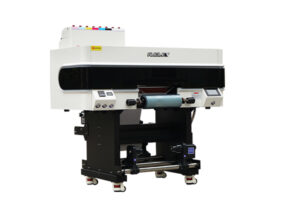
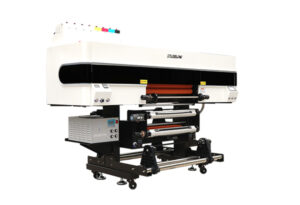
AUDLEY UV printers help print shops build a more flexible raised label production workflow. Instead of waiting for mold production, users can print samples directly from digital files.
This is useful for fashion brands, sportswear suppliers, online custom shops and garment accessory businesses. They can test new designs quickly and update products faster.
An AUDLEY UV printer can support:
- TPU 3D printing label production
- Raised 3D silicone-like label effects
- Flexible UV ink layered printing
- Multi-color logo and graphic printing
- Glossy or matte surface effects
- Small-batch sampling without mold cost
- TPU heat transfer label applications
- Fast response for custom apparel orders
Compared with traditional silicone molding, TPU 3D printing is more flexible. It is suitable for customers who need quick sampling, colorful designs and low mold investment.
As a result, print shops can accept more short-run orders. They can also serve customers who need personalized apparel labels, event merchandise, hoodie labels, hat labels and bag decorations.
5. Silicone TPU 3D Printing and PVC Compared
The right label depends on the order quantity, design complexity, durability requirement and target market. The table below gives a clear comparison.
| Comparison Item | Real Silicone Labels | TPU 3D Printing Labels | PVC Soft Rubber Labels |
| Main Material | Liquid high-temperature vulcanized silicone | TPU or PU-based flexible material with UV ink layers | PVC paste resin with plasticizer |
| Mold Requirement | Metal mold required | No mold required | Mold required |
| Minimum Order Quantity | Better for bulk orders | Suitable for one-piece sampling and small batches | Better for medium or large quantities |
| Sampling Speed | Slower because of mold making | Fast digital sampling | Medium |
| Production Method | Mold dispensing and high-temperature curing | AUDLEY UV printer layered printing and UV curing | PVC dripping and low-temperature baking |
| Color Performance | Good, but complex colors need more steps | Strong for gradients, fine lines and multi-color graphics | Limited for detailed artwork |
| 3D Effect | Thick and strong relief texture | Adjustable raised effect by digital settings | Molded soft raised effect |
| Elasticity | High elasticity and strong rebound | Flexible, but rebound is weaker than real silicone | Usually harder |
| Wash Durability | Excellent for long-term washable apparel | Suitable for regular apparel use | Lower durability for repeated washing |
| Best For | Premium sportswear, outdoor clothing and children’s apparel | T-shirts, hoodies, hats, bags and fast fashion | Low-cost accessories and simple promotional products |
| Cost Structure | Higher unit cost plus mold fee | Lower sampling cost with no mold fee | Low cost for simple bulk orders |
This comparison shows the market position clearly. Real silicone labels are better for premium durability. TPU 3D printing labels are better for flexible customization. PVC labels are mainly used for low-cost products.
6. Which Label Solution Should You Choose?
For high-end sportswear, outdoor clothing or children’s apparel, real silicone labels are often the better choice. They offer stronger elasticity and better long-term washing performance.
For small-batch T-shirts, hoodies, hats, canvas bags and fast fashion products, TPU 3D printing labels are more practical. They do not need mold making. They also support quick design changes and colorful graphics.
For low-cost accessories, keychains or short-term promotional items, PVC soft rubber labels may be enough. However, PVC is not ideal for products with strict environmental requirements.
| Business Need | Recommended Label Type | Reason |
| Premium sportswear | Real Silicone Labels | Better elasticity and durability |
| Children’s clothing | Real Silicone Labels | Suitable for higher safety and durability requirements |
| Small-batch T-shirts or hoodies | TPU 3D Printing Labels | No mold fee and fast sampling |
| Complex artwork or gradients | TPU 3D Printing Labels | Digital printing handles rich colors better |
| Fast fashion products | TPU 3D Printing Labels | Suitable for frequent design updates |
| Hats, bags and event merchandise | TPU 3D Printing Labels | Flexible for small customized orders |
| Low-cost accessories | PVC Soft Rubber Labels | Lower cost for simple designs |
| Long-term washable garments | Real Silicone Labels or TPU 3D Printing Labels | PVC is generally not recommended |
AUDLEY UV Printer Workflow for TPU 3D Printing Labels
A TPU 3D printing label workflow is simple and suitable for small and medium print shops.
| Step | Process | Purpose |
| 1 | Prepare the artwork file | Import logos, patterns or custom designs |
| 2 | Set the printing thickness | Adjust the raised 3D effect |
| 3 | Print with an AUDLEY UV printer | Build the label layer by layer |
| 4 | UV curing | Form a stable raised surface |
| 5 | Cutting and waste removal | Create clean label edges |
| 6 | Heat press application | Apply the label onto fabric |
| 7 | Final inspection | Check adhesion, color and thickness |
Before recommending a suitable AUDLEY UV printer, we usually confirm the label size, target thickness, material, production volume, fabric type and required hand feel. These details help match the right printing solution.
FAQ
Are TPU 3D printing labels real silicone?
No. TPU 3D printing labels are not real silicone labels. They create a raised silicone-like effect through TPU or PU-based materials, flexible UV ink and layered printing.
Can AUDLEY UV printers produce TPU 3D printing labels?
Yes. AUDLEY UV printers can support TPU 3D printing label production by printing flexible UV ink layer by layer. The final result depends on ink, material, thickness setting and process control.
Do TPU 3D printing labels need a mold?
No. The design can be printed directly from a digital file. This helps reduce mold cost and sampling time.
Which label is better for small-batch apparel orders?
TPU 3D printing labels are usually better for small-batch orders. They support quick sampling, rich colors and flexible design changes.
Are real silicone labels more durable?
In general, real silicone labels provide better elasticity, rebound and long-term washing durability. TPU 3D printing labels are more suitable for flexible customization and faster production.
What products can use TPU 3D printing labels?
They can be used on T-shirts, hoodies, sportswear, hats, canvas bags, pet clothing, short-term promotional apparel and fashion accessories. The final result depends on fabric and adhesive compatibility.
Conclusion
Real silicone labels, TPU 3D printing labels and PVC soft rubber labels serve different markets. Real silicone labels are suitable for premium and durable products. PVC labels are mainly used for low-cost accessories. TPU 3D printing labels are suitable for small-batch customization, fast sampling and colorful raised designs.
For print shops and apparel businesses, AUDLEY UV printers provide a flexible way to produce TPU 3D printing labels without mold making. If you want to expand from flat printing into raised 3D apparel label applications, AUDLEY can recommend a suitable UV printer solution based on your materials, label size and production needs.


-UV-Printer-1.jpg.webp)
