


In today’s digital textile printing industry, DTF (Direct to Film) and DTG (Direct to Garment) have become the two most widely used technologies for custom apparel production. For print service providers, distributors, and clothing brands, choosing the right solution directly impacts production efficiency, cost control, and business scalability. This guide provides a clear, data-driven comparison of DTF vs. DTG printing to help you select the best solution for your business.
- Table of Contents
- 1.What is DTG Printing?
- 2.What is DTF Printing?
- 3.DTF vs. DTG: Key Differences Comparison.
- 4.Application Scenarios: Which One Should You Choose?
- 5.Industry Trends: Why is DTF Growing Faster?
What is DTG Printing?

DTG printing is a process that prints ink directly onto fabric fibers, similar to how an inkjet printer works on paper.
Key Advantages of DTG:
High detail and photo-quality output.
Soft hand feel (ink penetrates the fabric).
Ideal for cotton garments and high-end apparel.
Perfect for small batches or on-demand production.
Limitations of DTG:
Best suited for cotton or high-cotton blend fabrics.
Requires pre-treatment, especially for dark garments.
Slower production speed for large volume orders.
Higher equipment and maintenance costs.
What is DTF Printing?

DTF printing uses PET film, adhesive powder, and heat pressing to transfer designs onto fabrics.
Key Advantages of DTF:
Compatible with almost all fabrics (cotton, polyester, blends, etc.).
No pre-treatment required.
Vibrant colors and strong opacity, even on dark textiles.
Better wash durability and adhesion.
Suitable for mass production and scalable workflows.
Limitations of DTF:
Slightly thicker hand feel compared to DTG.
Requires film and powder consumables.
Requires an additional transfer step (heat pressing).
DTF vs. DTG: Key Differences Comparison
| Factor | DTG Printing | DTF Printing |
| Fabric Compatibility | Primarily Cotton | Almost all fabrics |
| Print Hand Feel | Very soft | Slightly raised texture |
| Print Quality | Best for fine details | Rich colors and strong opacity |
| Durability | Good | Excellent wash resistance |
| Production Speed | Slower | Faster for mass production |
| Setup Cost | Higher | Lower entry cost |
| Workflow | Direct Print + Curing | Print → Powder → Transfer |
Application Scenarios: Which One Should You Choose?
Choose DTG if your business focuses on:
High-end fashion or premium apparel.
Photo-quality or complex gradient designs.
Small batch, customized orders.
Cotton-based clothing lines.
DTG excels in detail and comfort, making it ideal for brands that prioritize quality and softness.
Choose DTF if your business requires:
Multi-material printing (polyester, blends, etc.).
Mass production capabilities.
Fast turnaround and flexible workflows.
Lower operational cost per unit.
DTF is perfect for commercial production, promotional products, and scalable printing operations.
Industry Trends: Why is DTF Growing Faster?
Market adoption shows that DTF is rapidly gaining popularity because it offers:
Greater material versatility.
Simplified production workflows (no pre-treatment needed).
Better scalability for large volume and mixed orders.
Lower investment barriers for new businesses.
For many print shops, DTF is becoming the preferred solution for expanding product lines and improving Return on Investment (ROI).
Audley Solutions: Empowering Scalable Digital Printing
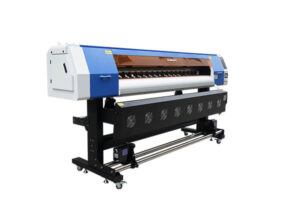
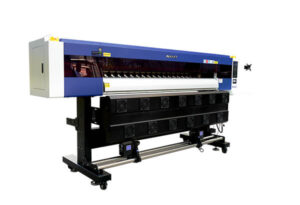
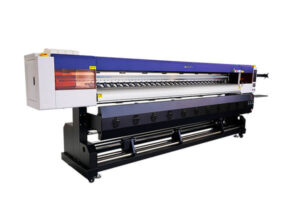
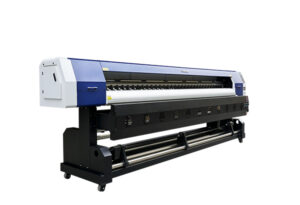
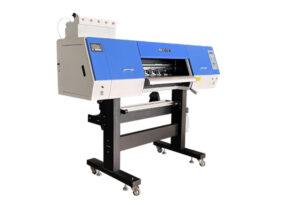
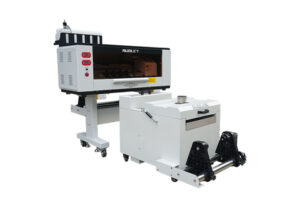
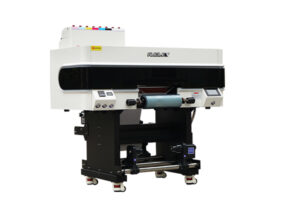
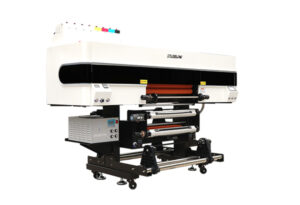
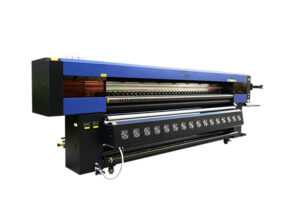
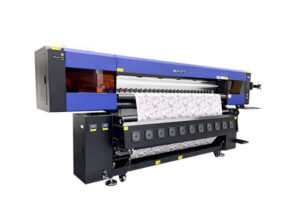
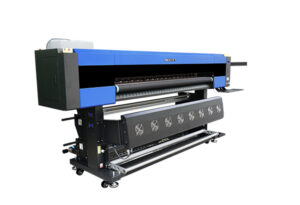
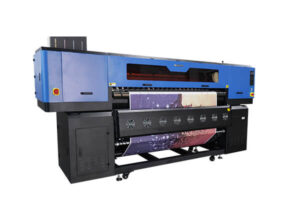
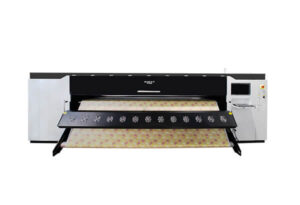
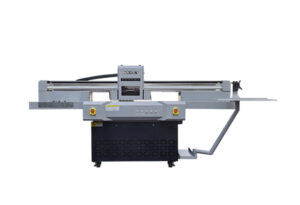
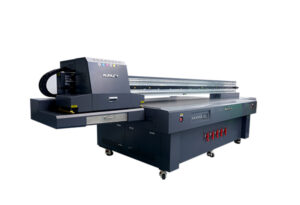
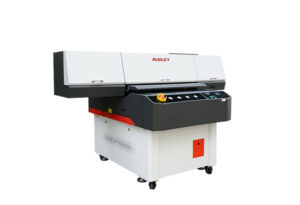
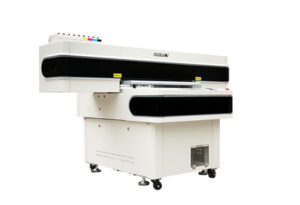
At Audley, we offer advanced DTF and DTG printing solutions tailored to different business models:
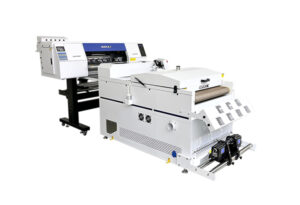
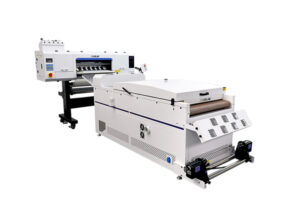
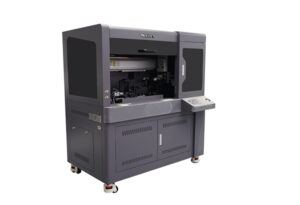
DTF Printing Systems
High-speed production.
Stable white ink circulation system.
Integrated powder shaking solutions.
Ideal for industrial and commercial use.
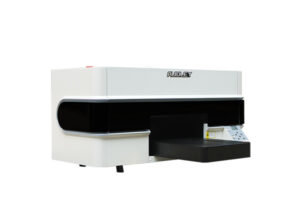
DTG Printing Solutions
High-resolution output.
Optimized for cotton garments.
Perfectly suited for the high-end custom market.
