




1. The Textile Printing Industry Is Entering A New Stage
The textile printing industry is standing at an important turning point. For decades, textile printing was mainly driven by scale, labor experience and long production runs. Today, the industry is being reshaped by digitalization, customization and sustainability.
From global fashion brands to local garment factories, customers are asking for faster delivery, smaller order quantities, more design flexibility and cleaner production methods. This change is pushing textile printing companies to move from traditional manufacturing toward smarter and more flexible production.
Digital textile printing is becoming one of the most important engines behind this transformation. Unlike traditional screen printing, digital printing does not require screen making for every design. Artwork can be sent directly to the printer, patterns can be changed quickly, and short-run production becomes more practical.
According to Grand View Research, the global digital textile printing market was estimated at USD 9.3 billion in 2025 and is projected to grow from USD 10.3 billion in 2026 to USD 24.2 billion by 2033, with a 13.0% CAGR. The report also highlights that printhead systems, ink formulations, software integration, automation and AI are improving digital textile printing quality, speed and cost efficiency.
2. Digital Textile Printing Is Becoming A Main Growth Driver
The growth of digital textile printing is closely connected with changes in the fashion and textile supply chain. Traditional printing methods are still widely used for large-volume standardized production, but they are less flexible when customers need small batches, frequent design changes and quick delivery.
Digital printing changes this logic. It allows garment factories and textile printing companies to respond faster to design trends. It also reduces the pressure of high minimum order quantities. This is especially important for e-commerce fashion brands, cross-border sellers and print-on-demand businesses.
Research and Markets notes that digital textile printing growth is supported by the shift from traditional to digital printing, fast fashion production cycles, demand for design flexibility, reduced water usage compared with conventional printing and the expansion of digital design workflows.
For textile printing companies, this means equipment selection is no longer only about output speed. A modern production system must also support flexible order switching, stable color performance, efficient fabric handling and lower waste.
3. Global Market Demand Is Moving Toward Flexibility
Different regions are driving textile printing transformation in different ways.
Europe is strongly influenced by environmental regulations, sustainability requirements and mature fashion supply chains. Brands selling into the European market increasingly need traceability, cleaner processes and more responsible production data.
Asia-Pacific remains one of the most important textile production centers. China, India and Southeast Asian countries continue to support large-scale garment and textile manufacturing. At the same time, these markets are also adopting more digital equipment to improve production speed and reduce dependence on traditional processes.
North America is driven by e-commerce, personalization and shorter fulfillment cycles. Consumers expect customized apparel and quicker delivery. This supports demand for digital textile printing, DTF printing, direct-to-fabric printing and other flexible garment decoration technologies.
Grand View Research’s broader textile printing market report estimates that the global textile printing market will grow from USD 30.3 billion in 2026 to USD 56.7 billion by 2033, and points to customization, speed-to-market and sustainability as key forces behind this growth.
4. China’s Textile Printing Market Is Moving From Catch-Up To Leadership
China is one of the world’s largest textile production and export bases. In recent years, China’s textile printing industry has moved quickly from traditional capacity expansion toward digital upgrading.
The rise of cross-border e-commerce has accelerated this trend. Platforms and online fashion sellers require faster design testing, smaller production batches and rapid replenishment. This fits the strengths of digital textile printing: no screen making, flexible pattern switching and lower minimum order pressure.
For Chinese textile printing factories, the opportunity is clear. Customers no longer only compete on price. They compete on speed, design response, stable quality and production flexibility. A factory that can print quickly, switch orders smoothly and reduce waste has a stronger chance of winning repeat business.
This also explains why more garment printing companies are investing in digital printers, DTF production systems and automated textile printing workflows.
5. From Experience-Based Production To Data-Driven Production
Traditional textile printing often depends heavily on operator experience. Color adjustment, pattern matching, fabric control and production scheduling may rely on skilled workers and repeated testing.
Digital textile printing moves production closer to data-driven control. Files can be stored, colors can be managed through software, and production can be repeated more easily. With better RIP software, ICC color management, stable printheads and intelligent material handling, factories can reduce uncertainty in production.
This does not mean experience is no longer important. Instead, digital equipment helps turn experience into repeatable standards.
For textile printing factories, this shift is valuable. It can shorten preparation time, reduce waste during sampling, improve small-batch efficiency and support faster response to customer orders.
6. Sustainability Is Becoming A Production Requirement
Sustainability is no longer only a marketing topic. It is becoming a production requirement.
Traditional textile printing can require large amounts of water, chemicals and long processing steps. Digital textile printing can reduce some of these burdens by supporting more precise ink application, shorter workflows and lower waste in short-run production.
Sustainability regulations are also increasing. The European Commission states that the Digital Product Passport is designed to strengthen supply chain transparency, support informed consumer choices and facilitate compliance across the Single Market. The official EU page also notes that textiles are among product groups covered under the Ecodesign for Sustainable Products Regulation framework.
For textile exporters, this direction matters. In the future, customers may care not only about price and print quality, but also about process data, material traceability and environmental performance.
Digital printing equipment can become part of this new infrastructure because it is easier to connect production records, design files, order information and process parameters.
7. Five Trends Reshaping Textile Printing In 2026
In 2026, five trends are reshaping the textile printing industry.
First, technology integration is becoming more important. Customers need more than a printer. They need a workflow that connects printing, drying, fabric handling, color management, maintenance and production planning.
Second, supply chains are becoming more flexible. Brands want smaller orders, faster replenishment and lower inventory risk. This supports the growth of digital textile printing and on-demand production.
Third, regulatory compliance is pushing factories toward digital records and traceability. Production data is becoming part of competitiveness.
Fourth, automation and smart production are helping factories improve efficiency. Automated feeding, stable printhead systems, intelligent maintenance and workflow control can reduce labor pressure and production loss.
Fifth, personalization is growing. Fashion brands, sportswear suppliers and online sellers need more design variety and faster market response.
8. How AUDLEY Supports Textile Printing Businesses
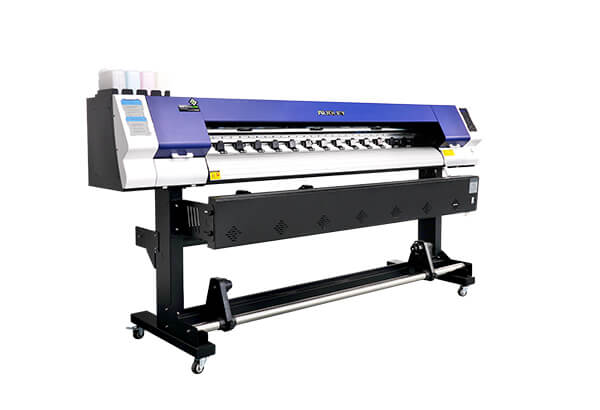
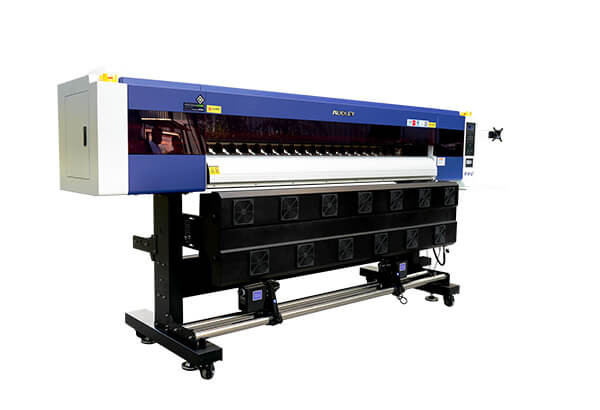
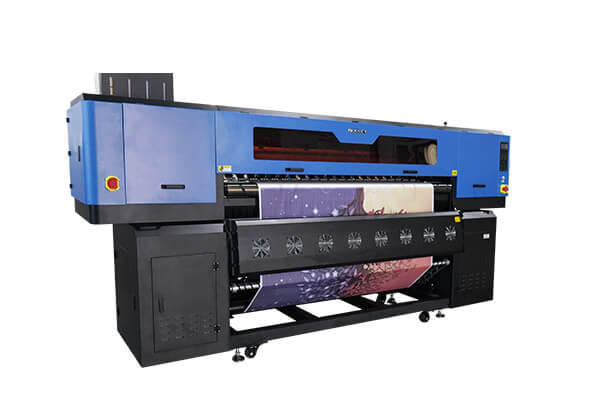
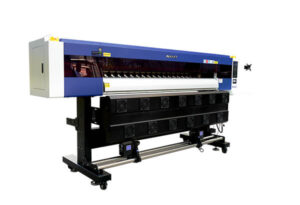
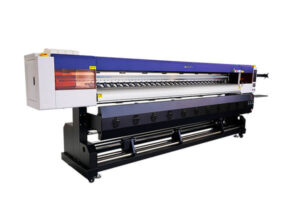
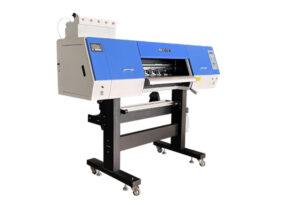
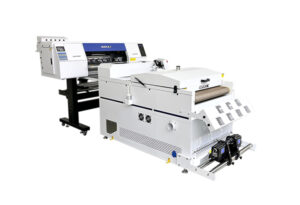
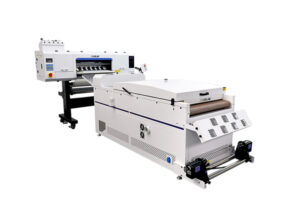
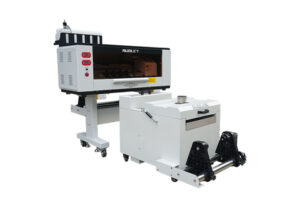
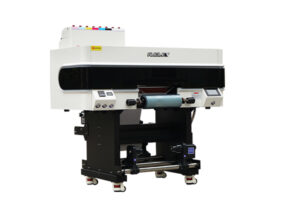
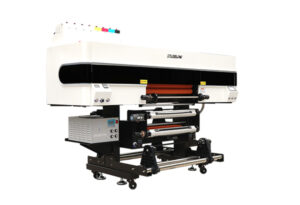
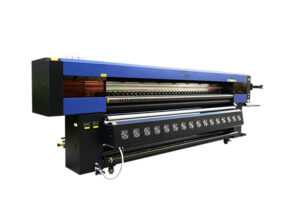
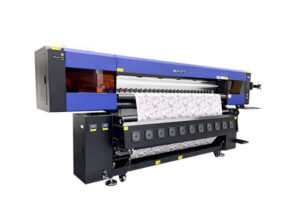
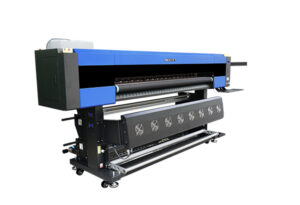
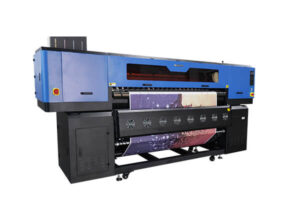
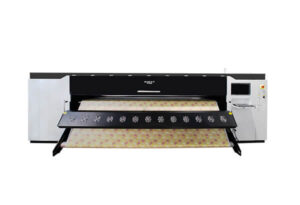
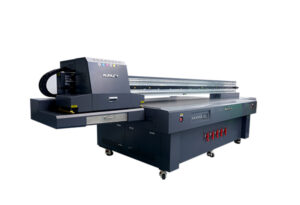
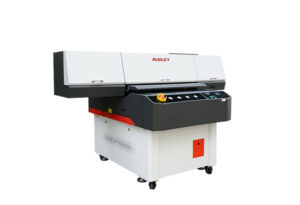
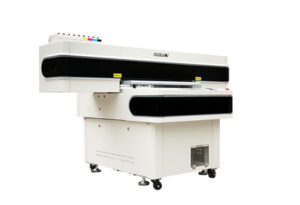
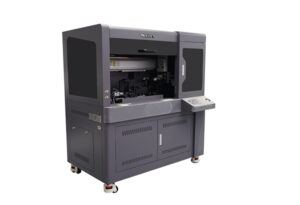
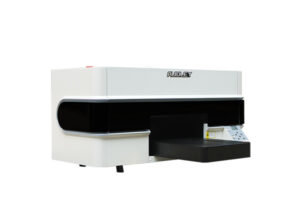
AUDLEY printing equipment is designed for customers who need stable production, practical operation and flexible application capability. For apparel and textile-related businesses, AUDLEY offers solutions that can support garment printing, textile printing, heat transfer production and customized apparel applications.
For print shops and garment factories, equipment stability is essential. High-precision printheads help restore rich color and smooth gradients. Stable fabric feeding and anti-wrinkle handling help reduce production defects. Automatic moisturizing capping stations and practical maintenance designs help lower printhead clogging risk and reduce downtime.
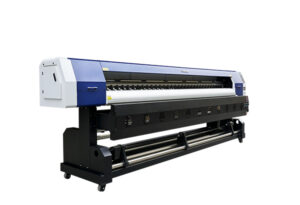
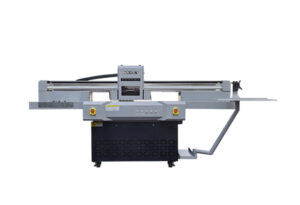
AUDLEY also provides different machine options for different business needs. Whether customers are expanding a garment printing workshop, building a DTF workflow, entering textile digital printing or improving order response capability, AUDLEY can help recommend equipment based on application, material, production volume and investment plan.
In a market moving toward digitalization, sustainability and smart production, the right printer is no longer just a machine. It is part of a factory’s ability to win orders, reduce waste and respond faster to changing customer demand.
FAQ
Why is digital textile printing growing in 2026?
Digital textile printing is growing because brands need faster delivery, small-batch production, flexible designs, lower waste and more sustainable production methods.
How does digital textile printing help garment factories?
It helps garment factories reduce preparation time, switch designs faster, support small orders and improve response speed for e-commerce and customized apparel demand.
Is digital textile printing suitable for sustainable production?
Yes. Digital printing can support more precise ink usage, shorter production workflows and lower waste in short-run production. It also supports better production data management.
What should textile printing factories consider when choosing equipment?
Factories should consider material type, production volume, print width, color quality, workflow stability, maintenance requirements, operator training and after-sales support.
How can AUDLEY help textile printing businesses?
AUDLEY can recommend suitable printing equipment and workflow solutions based on customer applications, including garment printing, DTF production, textile printing and customized apparel production.
Conclusion
The textile printing industry is moving from traditional mass production toward faster, cleaner and smarter manufacturing. Digital textile printing is no longer a niche technology. It is becoming a key production method for factories that need flexibility, speed and sustainable growth.
For textile printing companies, 2026 is not only a year of competition. It is also a year of opportunity. Businesses that embrace digitalization, green production and smart workflows will be better prepared for the next stage of the industry.
AUDLEY will continue to support printing businesses with practical digital printing equipment, application solutions and technical service, helping customers improve production efficiency and build more competitive textile printing workflows.